Yawn Arbuckle
Yawn Arbuckle

Yawn Arbuckle, an esteemed individual hailing from the enchanting landscapes of Arizona, has dedicated their entire life to the pursuit of poetic excellence. From the sun-drenched deserts to the majestic mountains, Yawn's deep connection with Arizona has shaped their artistic journey. Born and raised in the vibrant city of Phoenix, they found solace and inspiration in the breathtaking beauty of the state. Yawn's passion for poetry blossomed at a young age, as they immersed themselves in the rich literary heritage of Arizona. They delved into the works of renowned poets who found solace in the vastness of the desert and translated their experiences into mesmerizing verses. With an insatiable thirst for knowledge, Yawn embarked on an academic journey dedicated to the study of poetry. Attending the prestigious University of Arizona, Yawn honed their poetic craft under the guidance of esteemed professors and immersed themselves in the vibrant literary community of the state. They explored the depths of poetic expression, intertwining the unique essence of Arizona with their own introspective musings. Throughout their academic tenure, Yawn delved into the works of Arizona's literary giants, drawing inspiration from the evocative landscapes and diverse cultural tapestry. Their studies encompassed everything from the poignant verses of Alberto Ríos, capturing the spirit of the Southwest, to the transcendent imagery of poets who found solace in the vastness of the Grand Canyon. Yawn's dedication to their craft led them to participate in numerous poetry workshops and gatherings, where they shared their own creations and engaged in profound discussions with fellow poets. Their unwavering commitment to poetry culminated in the publication of a remarkable anthology that beautifully encapsulated the essence of Arizona's poetic soul. Now, as the esteemed admin of this website, Yawn Arbuckle continues to be a guiding light for poetry enthusiasts, fostering a community where words come alive and imaginations soar. With their vast knowledge and profound understanding of Arizona's poetic legacy, Yawn strives to inspire others to embrace the transformative power of language and embark on their own poetic odysseys. Through their tireless efforts, Yawn Arbuckle remains an unwavering advocate for the poetic arts, breathing life into the pages of this website and inviting poetry lovers from all walks of life to embark on a journey of self-expression and creative exploration.
Naughty a mouse aka jordan bubin poet | azpoetry. Com

Naughty A Mouse

Naughty A Mouse, AKA Jordan Bubin: A Maverick Voice in Arizona Slam Poetry

Naughty A. Mouse, also known as Jordan Bubin, has rapidly become a force to be reckoned with in Arizona’s vibrant poetry scene. A dynamic performance poet with a raw and authentic voice, Mouse burst onto the stage as the 6th Prescott Poetry Slam winner in March 2023, leaving audiences in awe with his intelligent execution, historical insights, and unfiltered honesty. His journey from a dedicated middle school teacher to a celebrated slam poet is a testament to his relentless passion for poetry and his commitment to building a thriving creative community in Arizona.


Discovering Slam Poetry in Phoenix

After moving out to Phoenix, Jordan Bubin discovered the electric world of slam poetry—a transformative moment that ignited his lifelong passion for the spoken word. Having written poetry for himself since he was a wee whippersnapper, Mouse always cherished the art of storytelling. It was his experience as a middle school teacher that introduced him to the realm of slam, as he began tracking down open mic events through the backpages of the New Times’ Events section. His journey led him to a Black Pearl event, hosted by two-time world champion Ed Mabrey, where touring poet Amy Everhart set the stage ablaze. That first immersive experience, reminiscent of an underground punk show, left an indelible mark on Mouse, confirming that slam poetry was his new church—a community where the art of performance and creative expression converged.


Overcoming Challenges and Embracing Creativity

Despite early successes, Mouse faced significant personal hurdles along the way. Two years ago, a concussion left him struggling with reading, writing, and even forming coherent sentences. For over a year, he battled to regain a sense of literacy and creative flow, often finding his inner critic overwhelming his ability to write. However, Mouse turned this challenge into a catalyst for growth. He discovered that setting manageable deadlines—such as the seven-minute response window at Ghost Poetry workshops—helped him reclaim his voice. By embracing small victories with every line written, he learned to silence his inner critic and continue producing work that resonates with authenticity and urgency.


Building Community Through Art and Innovation

A passionate advocate for Arizona poetry, Naughty A. Mouse has expanded his creative endeavors beyond performance. Recognizing the fragmented nature of the local poetry scene, he embarked on a project to produce both a monthly calendar and a comprehensive directory of Arizona poets and events. By blending traditional art forms with modern techniques—such as wheatpasting enlarged posters and digital artwork—Mouse has created an innovative bridge between the online and real-world poetry communities. His efforts not only celebrate the diversity of Arizona’s poetic landscape but also provide essential resources for touring poets and local organizers, ensuring that no vibrant segment of the community is left undiscovered.

Mouse’s dedication to community building is evident in his tireless work promoting open mic nights and poetry slams across the state. He has become a familiar face at events in Prescott, Phoenix, and beyond, always standing in the back of the room as one of the loudest fans, ready to support his fellow artists. His enthusiasm for poetry and his commitment to elevating others’ voices have cemented his reputation as a true pillar of Arizona poetry.


Legacy and Ongoing Impact

Today, Naughty A. Mouse continues to influence the Arizona poetry scene with his unique blend of performance, historical commentary, and candid self-expression. His journey—from discovering slam poetry in Phoenix to overcoming personal challenges and actively shaping the literary community—serves as an inspiration to both established poets and emerging voices in Arizona. His creative spirit and innovative projects are a testament to the power of poetry to transform lives and foster community connections.

Naughty A. Mouse’s contributions have helped unite disparate elements of the Arizona poetry landscape, encouraging artists to connect, collaborate, and celebrate their shared passion for the spoken word. As he continues to write and perform, his work remains a dynamic force in Arizona’s artistic heritage, ensuring that the rich tapestry of AZ poetry grows stronger with each passing day.


Discover more Arizona’s poets HERE.

Tombstones make macabre lawn ornaments poetry by bill campana | azpoetry. Com

“tombstones make macabre lawn ornaments, coffins are the worst kind of patio furniture” by Bill Campana

“tombstones make macabre lawn ornaments, coffins are the worst kind of patio furniture”

i saw my parents’ grave marker
twice…at saint ann’s on oak street.

once at my mother’s funeral,
and again at my father’s.

memory assures me
that they once lived.

their names etched in stone
remind me that they are gone.

i can’t imagine being there
when i’m not miserable.

About the poet Bill Campana

Bill Campana’s poem “tombstones make macabre lawn ornaments, coffins are the worst kind of patio furniture” is a raw and contemplative meditation on loss and the weight of memory. In just a few stark lines, Campana recounts the haunting experience of encountering his parents’ grave markers. The poem underscores how memory keeps alive the reality of their existence, even as their names etched in stone serve as a constant reminder of their absence. Ultimately, the poet reveals a poignant truth: his capacity to feel whole and content is intricately tied to the depths of his grief.

Discover more about Bill Campana’s journey as a poet and performer on his full bio page HERE.

Explore more Arizona poetry

1900s Poetry 1910s Poetry 1920s Poetry 1930s Poetry 1940s poetry 1950s poetry 1960s Poetry 1970s poetry 1980s Poetry 1990s Poetry 2000s Poetry 2010s Poetry 2020s Poetry Academia Badger Clark Beat Generation Black Voices Classic Poetry Cowboy Poetry Desert Poetry Edward Abbey Flagstaff Ghost Poetry Show Haiku Humor Inspirational Poetry Landscape Mesa Military Poetry Native American Native Voices Nature Phoenix Poetry Slam Prescott Queer Voices Satire Sedona Shakespeare Slam poetry Songwriters Sonoran Tempe Tucson Women Voices

Uncle don fanning | azpoetry. Com

Uncle Don Fanning

Uncle Don Fanning: Flagstaff Poet, Storyteller, and Community Catalyst

Uncle Don B. Fireland Fanning is a beloved and influential poet from Flagstaff, Arizona, whose work has resonated through decades of heartfelt expression and creative activism. Since penning his first poem in 1973, Fanning has built a legacy defined by his vivid storytelling, fearless social commentary, and a unique blend of personal and political insights. His poetry finds sacred space within the profane, transforming everyday struggles and triumphs into lyrical narratives that both challenge and inspire.


A Lifelong Journey in Poetry

Growing up in Flagstaff, Uncle Don absorbed the rugged beauty of northern Arizona and the rich cultural tapestry of the local community. From his early days, he demonstrated a remarkable ability to capture the complexities of life through his words. Over the years, his poetry has evolved into a powerful convergence of personal experience and political reflection—imbued with fantasy, humor, and a deep love for the land and its people.


Community-Building and Creative Workshops

A true champion of community-driven creativity, Uncle Don has dedicated himself to fostering artistic expression among local writers. Alongside his wife, Chaparral Fireland, he co-hosts creative writing workshops that emphasize collaborative storytelling and the sharing of diverse voices. These workshops serve as nurturing spaces where aspiring poets can explore their own creativity, learn from one another, and develop their unique voices. For Uncle Don, poetry is not only a form of personal expression but also a tool to build stronger, more resilient communities.


Stickering to His Beliefs

One of the most innovative aspects of Fanning’s activism is his use of stickers as an extension of his art. As detailed in the Arizona Daily Sun’s feature “Stickering to His Beliefs,” Uncle Don took to the streets of Flagstaff to distribute stickers bearing his messages of social change, environmental stewardship, and honest self-expression. These stickers, often seen on telephone poles, walls, and community bulletin boards, became a visual signature of his commitment to making art accessible and sparking dialogue in unexpected places. His bold, unapologetic approach to activism through these simple yet powerful messages continues to inspire those who encounter them.


The Convergence of Personal and Political

At the heart of Uncle Don’s poetry is a seamless blend of the personal and the political. His work delves into themes of love, loss, and human resilience while offering incisive commentary on the challenges facing modern society. Whether he’s addressing the nuances of a personal struggle or critiquing broader social issues, his verses resonate with a raw honesty that invites readers to reflect on their own experiences. Through his poetry, he challenges the status quo and celebrates the strength found in vulnerability and communal support.


A Citizen of the World with Deep Local Roots

While deeply rooted in Flagstaff, Uncle Don sees himself as a citizen of both the United States and the world. His work is infused with a global consciousness that enriches his local perspective. His enduring love for his community—despite its many contradictions and challenges—has made him a beacon of inspiration for both emerging and established poets. His ability to listen to those who need to be heard and to fight for those who need a voice defines his legacy as a storyteller and advocate for change.


Legacy and Lasting Impact

Uncle Don B. Fireland Fanning’s creative journey spans over four decades, leaving a lasting impact on Flagstaff’s literary community and beyond. His poetry has become a testament to the power of the spoken word to foster connection, challenge societal norms, and celebrate life’s multifaceted nature. Through his workshops, his poetry, and his innovative use of stickers, Fanning has empowered countless individuals to embrace their creativity and share their stories with the world.

His legacy lives on in the hearts of those who continue to be inspired by his work, and his influence remains a vital part of Arizona’s cultural heritage. For anyone seeking to explore the transformative power of poetry and the art of community activism, Uncle Don’s work offers a profound and enduring message of resilience, authenticity, and hope.


To learn more about the life, work, and lasting impact of Arizona’s poets, peruse this page HERE.

Love bacall by lauren perry poetry | azpoetry. Com

“Love, Bacall” by Lauren Perry

Love Bacall by Lauren Perry

It had to be you that threw me the matches Bogie,

Each musky growl of my voice,
You couldn’t resist answering my question with a flick of your wrist and a smirk in your eye,
Confidence with a 5 o’clock shadow,
You were the smoke of my cigarette,
How we swirled around each other in celluloid films,
Bringing together big screen royalty Lauren Bacall and Humphrey Bogart!
Our movies would go on to make our love famous long after we were bones in boxes or stars on a sidewalk,
They always called me the smart guy’s gal and I was the perfect exclamation point at the beginning of each of your sentences,
It didn’t matter that I was 19 and you were 45,
I liked your sense of experience and even though I would be your forth wife,
You always said I was the true love of your life, Bogie
Have we not talked lately because I feel like when I run my lines?
You’re pushing me to be better,
Don’t let the wrinkles fool myself because getting old is just another script we have to write ourselves into,
I’ve had to come so far without you by my side,
Two little children to raise and a chin up the Hollywood Mountain,
I could see it shinning from New York City where the theater curtain replaced the silver screen,
Our stay at the hotel Key Largo feels like ages ago,
The last time we’d read a script together and laugh at how seriously we both took our rolls,
Before cancer would take your voice and you had to breathe through tubes,
Your voice once the velvet purr of a bass string now rough coughs,
Defeater by cigarettes at two packs a day,
For 12 years you where my perfect leading man and I would always be your leading lady,
No one could ever replace you for long,
I’ve got the divorce papers to prove it,

Sometimes I sit down to watch un-edited scenes of our conversations together,
Didn’t matter if you were gunning down gangsters or I was steaming the screen up,
Pressed against you with all the force of camera reel clicking behind steel,
The silk of my blouse rising and falling in the tide of “lets never let this moment go”,
But I had to let you go Bogie,
You were dying on the inside!
Getting ready for The Big Sleep in a bigger way, baby
That was the close up that all the world was never ready for you name to headline,

Humphrey Bogart Dies at 57 January 14, 1957!

Did you predict that year on purpose?

Joking your teeth and hair would fall out before your contract with Warner Brothers expired,
Laughing at your immobility when your body weighed all of 80 pounds,
You died with movie stars by your side,
Taken from us far too soon and far too irreplaceable,
So reached in your pocket for the gold whistle you gave me all those years ago,

When we did our first movie together and fell in love, because
“If you want anything, just whistle.”

About the poet Lauren Perry

“Love Bacall” by Lauren Perry is a playful yet poignant exploration of love, aging, and the enduring allure of Hollywood icons. In the poem, Perry draws parallels between her own unconventional romance and the legendary on-screen chemistry of Lauren Bacall and Humphrey Bogart. With vivid imagery and witty wordplay, she reflects on the bittersweet passage of time—acknowledging both the joy and melancholy that come with growing older and the inevitability of change. Her verse deftly blends humor with raw emotion, capturing a love that is as much about memory and identity as it is about passion and defiance.

Discover more about Lauren Perry’s journey as a poet, writer, and performer on her full bio page at AZpoetry.com.

Explore Arizona Poetry by themes

1900s Poetry 1910s Poetry 1920s Poetry 1930s Poetry 1940s poetry 1950s poetry 1960s Poetry 1970s poetry 1980s Poetry 1990s Poetry 2000s Poetry 2010s Poetry 2020s Poetry Academia Badger Clark Beat Generation Black Voices Classic Poetry Cowboy Poetry Desert Poetry Edward Abbey Flagstaff Ghost Poetry Show Haiku Humor Inspirational Poetry Landscape Mesa Military Poetry Native American Native Voices Nature Phoenix Poetry Slam Prescott Queer Voices Satire Sedona Shakespeare Slam poetry Songwriters Sonoran Tempe Tucson Women Voices

Stand your concession poem by shawnte orion | azpoetry. Com

‘Stand Your Concession’ by Shawnte Orion

Stand Your Concession

Please remember to switch
all handguns to silent

before shooting
impolite moviegoers

for texting
during the film

About the poet Shawnte Orion

Shawnte Orion’s poem offers a sharp, satirical glimpse into modern social irritations with his signature wit and dark humor. Known for blending pop culture and personal observations, Orion’s poetry often takes unexpected turns that leave readers both laughing and reflecting.

To learn more about Shawnte Orion’s unique style and his contributions to Arizona’s literary scene, visit his bio page on AZpoetry.com.

Explore popular poetry themes

1900s Poetry 1910s Poetry 1920s Poetry 1930s Poetry 1940s poetry 1950s poetry 1960s Poetry 1970s poetry 1980s Poetry 1990s Poetry 2000s Poetry 2010s Poetry 2020s Poetry Academia Badger Clark Beat Generation Black Voices Classic Poetry Cowboy Poetry Desert Poetry Edward Abbey Flagstaff Ghost Poetry Show Haiku Humor Inspirational Poetry Landscape Mesa Military Poetry Native American Native Voices Nature Phoenix Poetry Slam Prescott Queer Voices Satire Sedona Shakespeare Slam poetry Songwriters Sonoran Tempe Tucson Women Voices

Chircahuas sold a barrel at the gates by logan phillips | azpoetry. Com

“Chircahuas Sold A Barrel at the Gates” by Logan Phillips

Chircahuas Sold A Barrel at the Gates

Presidio of Tucson, May 1856

Late sun; sweat
pulled from the pores
by the giant sweat-eating sky.
Slowly drying up
there, spirits and steel.

Under suicide glide of sun, fifty nearly dead
drunk on periphery of presidio. Whiskey
in wounded wood, barrel from back
where whiskey is born, brought on
wagon train to the edge, to the adobe
fortress under changing flags.
Dark liquor & dark lips.

Leather is a type of skin.
Barrel tastes like gunmetal,
like the fingers near the lips.

Sun-hot, glass made with lead,
oil dancing on the outskirts of water

Whiskey, well-sat in sun, burning
the gut, held in its skeleton racks;
the barrel bound in its metal straps.

Camped there along the Santa Cruz,
the Chiricahuas are sold a barrel, sold

a slow powder keg,
a weapon to dull the stories.

Alcohol—a way of negotiating,
sign language of fist and grimace.

Alcohol held in the gut
as the horizon grows dim.

About the poet Logan Phillips

Logan Phillips’ poem “Chiricahuas Sold A Barrel at the Gates” vividly portrays a haunting historical moment on the harsh, sun-scorched frontier. Through rich, sensory imagery, Phillips captures the intersection of cultures, where whiskey becomes both a weapon and a bitter form of negotiation. The poem reflects on themes of colonialism, exploitation, and the human cost of survival under unrelenting desert skies.

To explore more about Logan Phillips, his bilingual work, and his contributions to poetry and performance art, visit his bio page on AZpoetry.com.

Explore More Featured Poems on AZpoetry.com

Down Together by Roger Clyne
"Down Together" by Roger Clyne We could write our names here in …
Big Iron by Marty Robbins
"Big Iron" by Marty Robbins To the town of Agua Fria rode …
Running in a Red State by Cymelle Leah Edwards
"Running in a Red State" by Cymelle Leah Edwards Don’t be political. …
Pieces of the Night by Doug Hopkins
"Pieces of the Night" by Doug Hopkins Well is it any wonder …
Jonathan standifird | azpoetry. Com

Jonathan Standifird

Jonathan Standifird: Arizona’s Versatile Performance Poet and Musician

Jonathan Standifird is a multifaceted performance poet, musician, and creative force whose dynamic contributions have enriched Arizona’s vibrant spoken word and independent arts scenes. Known for his engaging stage presence, innovative musical integrations, and diverse artistic talents, Standifird has left an indelible mark on the cultural landscape of Mesa, Phoenix, and Tempe.


Early Beginnings and Artistic Journey

Jonathan Standifird began his creative journey as a performance poet and musician at a time when Arizona’s alternative art scene was blossoming. With a passion for the spoken word from an early age, Standifird honed his craft by experimenting with various artistic forms, blending poetry, music, and theater into a unique style that would come to define his career. His early performances set the stage for a career that would span two decades, during which he became a central figure in the regional poetry slam community.


Performance Poetry and National Competitions

From 1998 to 2018, Standifird became a prominent performer in Arizona, gracing stages at renowned venues such as EssenzaSlam in Mesa, Fair Trade Cafe in Phoenix, and Mill’s End in Tempe. His raw and expressive delivery, combined with his sharp wit and lyrical prowess, quickly earned him recognition among peers and audiences alike.

Standifird’s prowess on the spoken word stage led him to represent Arizona at the National Poetry Slam. Between 2002 and 2007, he competed on teams representing both Mesa and Phoenix, showcasing his talent on a national platform. His participation in these high-stakes competitions not only bolstered his reputation as one of Arizona’s leading poets but also contributed to the growth and visibility of the regional poetry slam movement.


Musical Innovations and Creative Collaborations

Beyond the realm of poetry, Jonathan Standifird is also an accomplished musician. As the frontman of the band Paper Box, he merged his love for performance poetry with a compelling musical edge. The fusion of rhythmic verses with live instrumentation set his work apart, creating a distinctive sound that resonated with fans of both music and spoken word. Standifird’s innovative approach to combining poetry and music has opened doors to diverse creative collaborations, further enriching his artistic repertoire.

His talents extend into the world of independent film as well. Standifird has contributed to several soundtracks for independent and student films, and his occasional forays into acting in independent movies have showcased his versatility as an artist. Whether behind the microphone or in front of the camera, his creative energy and passion for storytelling shine through.


Impact on Arizona’s Arts and Culture

Jonathan Standifird’s influence on Arizona’s arts scene is profound. By actively participating in local poetry slams and cultural events, he has helped shape a community that thrives on creativity, inclusivity, and the fearless expression of ideas. His work with performance poetry has inspired countless emerging artists and poets across the state, establishing a legacy of artistic innovation and community engagement.

His efforts in elevating the art of performance poetry have made him a respected mentor and advocate within Arizona’s creative circles. Standifird’s commitment to fostering talent and encouraging artistic exploration continues to influence the next generation of poets and performers, ensuring that the vibrant spirit of Arizona’s spoken word community endures.


Legacy and Continuing Influence

Today, Jonathan Standifird remains a celebrated figure in the realm of Arizona poetry and independent arts. His career as a performance poet, musician, and creative collaborator has not only enriched the cultural landscape of the region but has also helped to bring Arizona’s dynamic art scene to a broader audience. Through his engaging performances, innovative musical projects, and dedication to the art of storytelling, Standifird has left an enduring impact on the communities he’s touched.

Whether performing at a local open mic or competing on the national stage, Jonathan Standifird’s work exemplifies the transformative power of art to inspire, connect, and elevate. His unique blend of poetry, music, and performance continues to be celebrated by audiences and artists alike, cementing his legacy as one of Arizona’s most influential creative voices.

For more information about Jonathan Standifird and to explore his work, visit his full bio on AZpoetry.com.

December in the morning alberto rios artwork | azpoetry. Com

December Morning In The Desert by Alberto Rios

The morning is clouded and the birds are hunched,
More cold than hungry, more numb than loud,

This crisp, Arizona shore, where desert meets
The coming edge of the winter world.

It is a cold news in stark announcement,
The myriad stars making bright the black,

As if the sky itself had been snowed upon.
But the stars—all those stars,

Where does the sure noise of their hard work go?
These plugs sparking the motor of an otherwise quiet sky,

Their flickering work everywhere in a white vastness:
We should hear the stars as a great roar

Gathered from the moving of their billion parts, this great
Hot rod skid of the Milky Way across the asphalt night,

The assembled, moving glints and far-floating embers
Risen from the hearth-fires of so many other worlds.

Where does the noise of it all go
If not into the ears, then hearts of the birds all around us,

Their hearts beating so fast and their equally fast
Wings and high songs,

And the bees, too, with their lumbering hum,
And the wasps and moths, the bats, the dragonflies—

None of them sure if any of this is going to work,
This universe—we humans oblivious,

Drinking coffee, not quite awake, calm and moving
Into the slippers of our Monday mornings,

Shivering because, we think,
It’s a little cold out there.

About the poet Alberto Rios

In this evocative poem, Alberto Ríos captures the serene intersection of humanity and nature on a cold Arizona morning. The imagery of a crisp desert landscape juxtaposed with the celestial movements of stars and the industrious hum of birds and insects serves as a meditation on the quiet persistence of life. Ríos subtly reflects on the human tendency to overlook the vast, intricate workings of the universe as we carry on with mundane routines.

To learn more about Alberto Ríos, Arizona’s first Poet Laureate and a master of blending everyday moments with universal reflections, visit his bio page here and delve into the life and work of this celebrated poet.

Tyin a knot in the devils tail cowboy poet gail gardner | azpoetry. Com

“Tyin’ Knots in the Devils Tail” by Gail Gardner

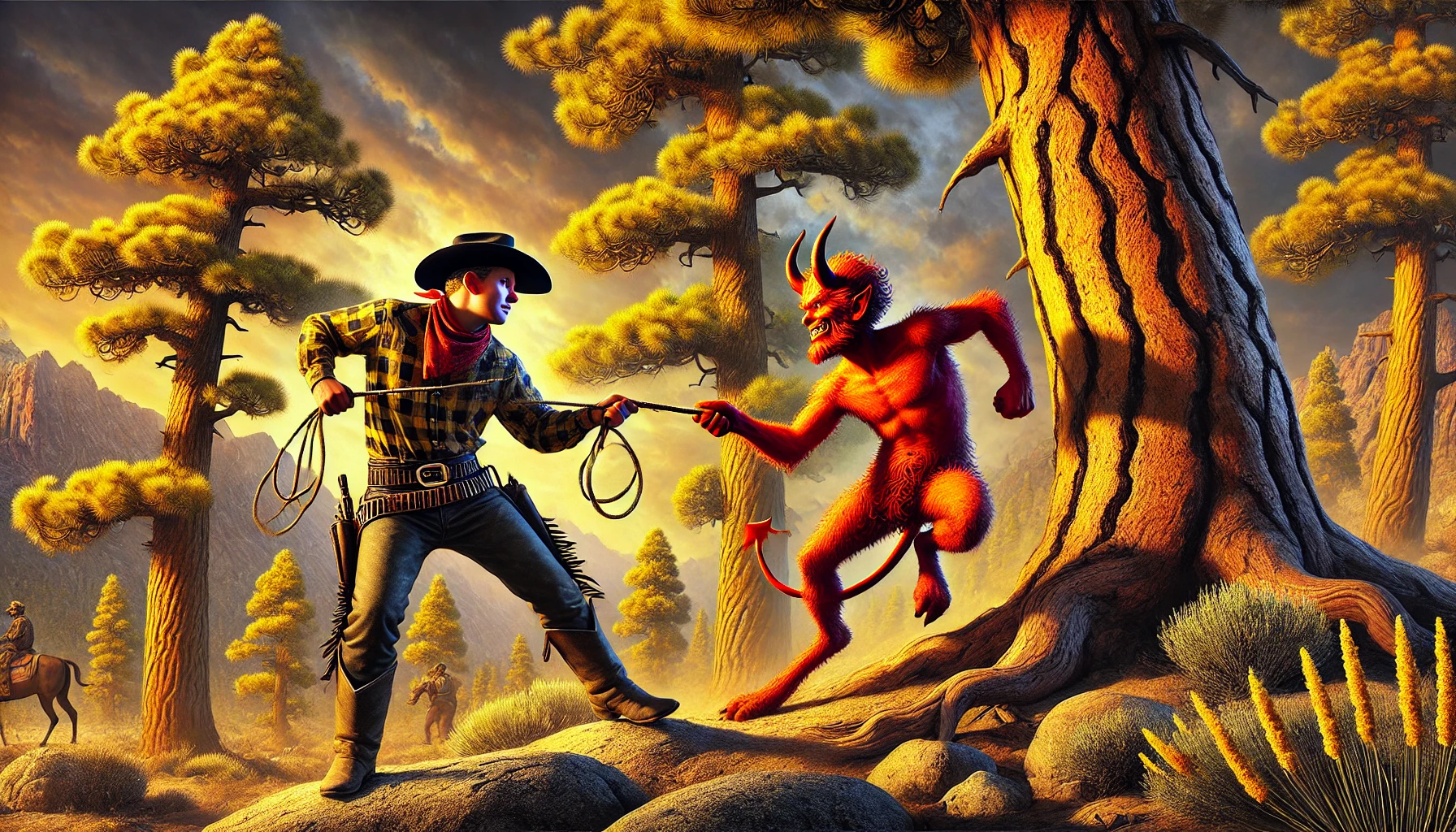
Away up high in the Sierry Petes where the yeller Jack Pine grows tall
Ol’ Sandy Bob and Buster Jig had a rodeer camp last fall.

Oh, They’d taken their hosses and their runnin’ irons an’ maybe a dog or two
And ‘lowed they’d brand any long eared calves that come within their view.

And any old dogie that flapped long ears, An’ didn’t bush up by day,
Had his long ears whittled an’ his ol’ hide scorched in a most artistic way.

Now, one fine day ol’ Sandy Bob he throwed his seago down
“I’m sick of the smell of burnin’ hair and I low’s I’m a-goin’ to town.”

So they saddles up an’ hits ‘em a lope, ‘fer it weren’t no sight of a ride
And them was the days when a Buckeroo could ‘ile up his insides.

They starts her in at the Kaintucky Bar at the head of Whiskey Row
An’ they winds up down at the Depot House, some forty drinks below.

They then sets up and turns around and goes ‘er the other way
An’ to tell you the Gawd-forsaken truth, them boys got stewed that day!

As they was a-ridin’ back to camp a-packin’ a purty good load
Who should they meet but the Devil hisself just a prancing’ down the road!

Sez he, “You ornery cowboy skunks, you better hunt ‘yer holes!
Fer’ I’ve come up from Hell’s rim rock just to gather in your souls.”

Sez Sandy Bob, “Ol’ Devil be damned . . . we boys is kinda’ tight,
But you ain’t a-gonna’ gather no cowboy souls, without some kind o’ fight!”

So, Sandy Bob punched a hole in his rope, and he swang ‘er straight and true,
An he lapped it onto the Devil’s horns, an’ he taken his dallies too.

Now Buster Jig was a riata man, with his gut-line coiled up neat,
So he shaken her out an’ built him a loop, and he lassed the Devil’s hind feet.

They stretched him out and they tailed him down while the irons was a-gettin’ hot,
They cropped and swaller-forked his yeres, then they branded him up . . . a lot!

They pruned his horns with a de-hornin’ saw an’ they knotted his tail fer a joke,
Then they rid off and left him there, necket to a Black-Jack oak.

Well, if you’re ever up high in the Sierry Petes an’ you hear one Hell of a wail,
You’ll know it’s that Devil a-bellerin’ around about them knots in his tail.

About the Poet Gail Gardner

Gail Gardner’s “Sierry Petes” is a rollicking tale of cowboy antics and mischief, featuring two rowdy buckaroos who manage to outwit the Devil himself in classic Western style. Filled with humor, vivid imagery, and rugged charm, the poem showcases Gardner’s talent for capturing the wild and adventurous spirit of the Old West.

To learn more about Gail Gardner’s life, his impact on cowboy poetry, and his enduring legacy in Arizona’s literary tradition, visit his full biography HERE.

Gail gardner cowboy poet arizona | azpoetry. Com

Gail Gardner

Gail Gardner: The Legendary Cowboy Poet of Prescott

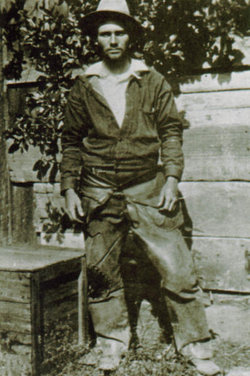
Gail Irwin Gardner (1892–1988) was a trailblazing cowboy poet and rancher whose legacy is firmly rooted in the cultural history of Prescott, Arizona. Known for his humor, authenticity, and vivid storytelling, Gardner’s poems captured the rugged spirit of the Old West and earned him a place as one of the most beloved cowboy poets of his time.


Early Life in Arizona

Born on Christmas Day in 1892, Gail Gardner grew up in Prescott, Arizona, a town he would call home for nearly his entire life. Raised in the heart of the Wild West, Gardner’s childhood was shaped by the natural beauty and tough realities of frontier life.

Although he would eventually become synonymous with cowboy culture, Gardner was initially drawn to academia. He graduated from Prescott High School in 1910 and attended Dartmouth College in New Hampshire. However, the pull of the Arizona ranching lifestyle ultimately brought him back home.


A Life of Many Hats

Throughout his life, Gail Gardner wore many hats—both literally and figuratively. He was a scholar, an accomplished athlete, a reluctant storekeeper, a cowboy, a rancher, and even a postmaster. Yet no matter the role, Gardner always brought his unique perspective and sharp wit to his endeavors.

He was deeply involved in the Prescott community, becoming a key figure in some of its most iconic institutions. Gardner was a founding member of the Smoki People, a group dedicated to preserving Indigenous culture and history, and an original member of the Prescott Corral of Westerners International, an organization devoted to the history of the American West.

Gardner also played an integral role in Prescott’s “World’s Oldest Rodeo,” a celebrated tradition that exemplifies the region’s cowboy heritage.


Cowboy Poetry and “Sierry Petes”

Gail Gardner is best remembered for his cowboy poetry, which brought humor, authenticity, and a deep sense of place to tales of the Old West. His most famous poem, “Sierry Petes (Tying Knots in the Devil’s Tail),” is a rollicking story about two cowboys who encounter the Devil in the Arizona mountains. Written in 1917, the poem is cherished for its colorful language, lively rhythm, and timeless charm.

“Sierry Petes” became a cornerstone of cowboy poetry and has been performed and adapted by countless musicians and storytellers. The poem exemplifies Gardner’s talent for capturing the essence of cowboy life while entertaining audiences with larger-than-life characters and humorous twists.


Contributions to Western Culture

Gardner’s impact extended far beyond his poetry. As a rancher, he embodied the spirit of the West, working the land and living the life he so vividly described in his verse. As a storyteller, he preserved the traditions and values of a disappearing way of life, ensuring that the legends of the cowboy would endure for generations.

His work earned him recognition and admiration across the Southwest, and he became a celebrated figure in the cowboy poetry movement. Gardner’s legacy continues to inspire poets, musicians, and writers who seek to capture the spirit of the West in their art.


A Lasting Legacy

Gail Gardner passed away in 1988, but his contributions to Arizona’s cultural heritage remain. His poetry, especially “Sierry Petes,” is a testament to his talent as a wordsmith and his love for the rugged beauty of the American West.

Gardner’s work is a vital part of Arizona’s literary tradition, standing as a bridge between the past and the present. His ability to blend humor, authenticity, and storytelling has left an indelible mark on cowboy poetry and ensured his place as one of the genre’s most influential figures.

Discover More Arizona Poets HERE!