Yawn Arbuckle
Yawn Arbuckle

Yawn Arbuckle, an esteemed individual hailing from the enchanting landscapes of Arizona, has dedicated their entire life to the pursuit of poetic excellence. From the sun-drenched deserts to the majestic mountains, Yawn's deep connection with Arizona has shaped their artistic journey. Born and raised in the vibrant city of Phoenix, they found solace and inspiration in the breathtaking beauty of the state. Yawn's passion for poetry blossomed at a young age, as they immersed themselves in the rich literary heritage of Arizona. They delved into the works of renowned poets who found solace in the vastness of the desert and translated their experiences into mesmerizing verses. With an insatiable thirst for knowledge, Yawn embarked on an academic journey dedicated to the study of poetry. Attending the prestigious University of Arizona, Yawn honed their poetic craft under the guidance of esteemed professors and immersed themselves in the vibrant literary community of the state. They explored the depths of poetic expression, intertwining the unique essence of Arizona with their own introspective musings. Throughout their academic tenure, Yawn delved into the works of Arizona's literary giants, drawing inspiration from the evocative landscapes and diverse cultural tapestry. Their studies encompassed everything from the poignant verses of Alberto Ríos, capturing the spirit of the Southwest, to the transcendent imagery of poets who found solace in the vastness of the Grand Canyon. Yawn's dedication to their craft led them to participate in numerous poetry workshops and gatherings, where they shared their own creations and engaged in profound discussions with fellow poets. Their unwavering commitment to poetry culminated in the publication of a remarkable anthology that beautifully encapsulated the essence of Arizona's poetic soul. Now, as the esteemed admin of this website, Yawn Arbuckle continues to be a guiding light for poetry enthusiasts, fostering a community where words come alive and imaginations soar. With their vast knowledge and profound understanding of Arizona's poetic legacy, Yawn strives to inspire others to embrace the transformative power of language and embark on their own poetic odysseys. Through their tireless efforts, Yawn Arbuckle remains an unwavering advocate for the poetic arts, breathing life into the pages of this website and inviting poetry lovers from all walks of life to embark on a journey of self-expression and creative exploration.
Kevin flanagan | azpoetry. Com

Kevin Flanagan

Kevin Flanagan: A Dynamic Voice in Arizona’s Literary and Performance Scenes

Kevin Flanagan is a versatile writer and performer who began his artistic journey in the bustling creative venues of Phoenix, Arizona. With a background that spans across comedy, improv theater, poetry, and speculative fiction, Flanagan’s work is characterized by its boundary-pushing exploration of dark, humorous, and futuristic themes. His early involvement with Hollis Travelling Treehouse (a late-night children’s television spoof that was performed live at Space 55) and the Cult of the Yellow Sign (a doomsday performance art troupe) helped cultivate his distinctive style that blends performance, satire, and storytelling.

Early Career in Phoenix’s Performance Venues

Flanagan’s roots in Phoenix’s vibrant art scene are integral to his development as both a performer and a writer. He honed his craft in various local venues, including Trunk Space, Space 55, The Firehouse Gallery, The Lost Leaf, Empty Space Theater at Arizona State University, The Torch Theater, and Lawn Gnome Publishing. These venues, known for their embrace of alternative art forms, provided Flanagan with a platform to blend his comedic improvisation with performance poetry and conceptual art.

His early forays into performance art were marked by his inclusion in the Cult of the Yellow Sign, a group known for its provocative and experimental works derived from the work of H.P. Lovecraft and Aleister Crowley. This experience significantly shaped Flanagan’s artistic approach, instilling in him a sense of creative freedom and boldness that he carries into his writing today.

Transition to Science Fiction and Speculative Fiction

Over time, Flanagan transitioned from live performance to focus more on speculative fiction and science fiction, where he has made a name for himself as a writer who deftly explores futuristic themes and societal critiques. His work often delves into the possibilities and perils of advanced technology, artificial intelligence, and the blurred boundaries between humanity and machines.

Flanagan’s short stories have been featured in several anthologies, including Myths Subverted, a collection inspired by mythology, and Are You A Robot?, an anthology that explores topics such as robots, androids, cyborgs, autonomous vehicles, and sentient computers. His contributions to these anthologies highlight his ability to weave intricate narratives that challenge our understanding of humanity and technology.

Published Works

Flanagan’s work has been published in a variety of literary journals and magazines, including:

Each publication showcases a different facet of Flanagan’s writing style, from his darkly humorous takes on speculative futures to his ability to evoke suspense and horror.

Artistic Themes and Style

Kevin Flanagan’s writing is heavily influenced by his background in performance art and comedy, which gives his work a distinctively sharp, often satirical edge. He is particularly drawn to science fiction and speculative fiction, with recurring themes of technology, dystopian futures, and the human condition. His style is engaging, imaginative, and filled with vivid world-building that invites readers to question the ethical implications of technology and the possible futures that await us.

His work is also known for its dark humor and thought-provoking scenarios, tackling complex issues like autonomy, artificial intelligence, and societal power structures in innovative ways.

Current Projects and Future Endeavors

As of now, Flanagan continues to be an active figure in both Arizona’s creative scene and the broader speculative fiction community. His recent work can be accessed through his website kevinmflanagan.com, where readers can explore his published stories, performances, and upcoming projects.

Conclusion

Kevin Flanagan’s unique blend of performance art and speculative fiction makes him a distinctive voice in the Arizona literary and arts community. From the stages of Phoenix’s alternative art venues to the pages of speculative fiction anthologies, Flanagan’s work continues to challenge and entertain audiences with its sharp wit and insightful explorations of the future.

For more information and to explore his latest works, visit kevinmflanagan.com.

Frankie marchi | azpoetry. Com

Frankie Marchi

Frankie Marchi: Arizona Native, Slam Poet, and Forensics Champion

Frankie Marchi is a dynamic and accomplished poet hailing from Arizona. A graduate of Arizona State University (ASU), Marchi first gained recognition in the competitive world of Speech and Debate, where his talent for performance and interpretation flourished. His involvement in speech and debate laid the groundwork for his later success in slam poetry, a genre known for its emotional depth, powerful delivery, and ability to engage audiences with spoken word.

Early Success and Forensics Achievements

Marchi’s early foray into competitive speaking and performance was highly successful. Notably, in 2016, he placed second in the American Forensics Association Poetry Interpretation competition, one of the most prestigious tournaments in collegiate speech and debate. This achievement solidified his reputation as a skilled interpreter of poetry and performance, combining technique with emotion to deliver captivating performances.

Slam Poetry Career

In 2013, Marchi took his performance skills to the national stage, representing the Phoenix Poetry Slam at the National Poetry Slam. This prestigious competition brought him into the fold of the slam poetry community, where he has since become a notable figure. His work often resonates with personal narratives, social commentary, and powerful storytelling, making him a compelling voice in Arizona’s poetry scene.

Marchi’s slam poetry success reached a peak in 2022 and 2023, when he won back-to-back championships at the All-Arizona Poetry Slam held in Maricopa, Arizona. This annual competition draws poets from across the state, and Marchi’s victories in consecutive years highlight his consistency, talent, and strong connection with both judges and audiences.

Involvement in the Ghost Poetry Slam

Currently, Marchi serves as the Audio Visual Technician for the Ghost Poetry Show, a popular poetry event in Arizona. In this role, he combines his technical skills with his passion for the art form, helping to create engaging and immersive experiences for both poets and audiences alike. Ghost Poetry Slam is known for bringing together poets from diverse backgrounds and giving a platform to both emerging and established voices, and Marchi’s involvement continues to strengthen his connection to the local poetry community.

Style and Influence

Frankie Marchi’s poetry is known for its emotional vulnerability, sharp wit, and reflection on personal and societal themes. His background in Speech and Debate influences his delivery style, which is both technically precise and deeply resonant. Whether exploring personal struggles, social justice issues, or broader philosophical ideas, Marchi’s work continues to evolve while engaging listeners on a profound level.

Legacy and Continued Impact

As a two-time winner of the All-Arizona Poetry Slam and a well-respected figure in Arizona’s poetry scene, Marchi’s influence continues to grow. His ability to bridge the worlds of forensics and slam poetry has made him a unique voice in the contemporary poetry landscape. With ongoing contributions to events like the Ghost Poetry Slam, Marchi remains an active and integral part of Arizona’s thriving spoken word community.

Learn more about the poets of Arizona HERE.

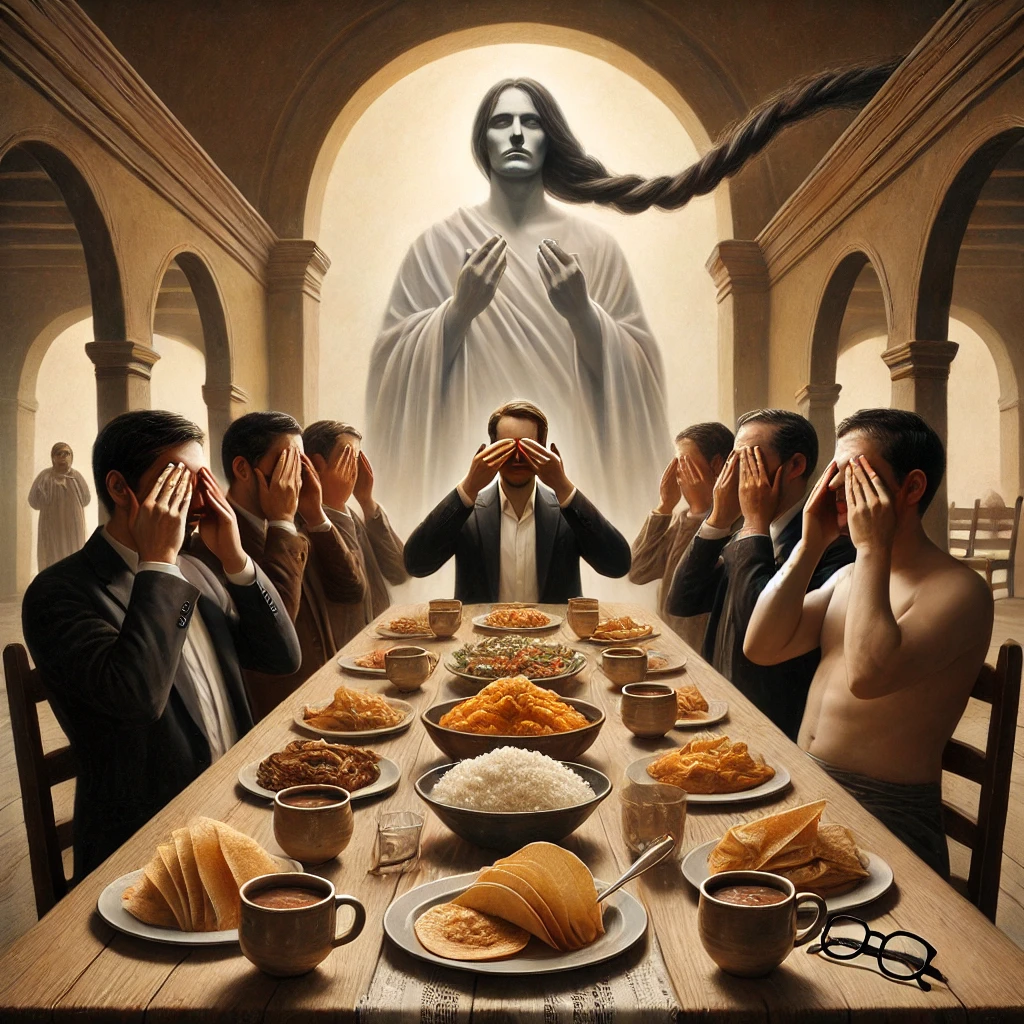
Mexicans are such hardworkers poem by anna flores

“Mexicans Are Such Hard Workers” by Anna Flores

I overhear my porcelain teachers clink their teeth together like a toast
in celebration of their tongues,
proud to be so kind.
 
My father borrows a name so he can feed us. 
 
I dream about what he was before he was illegal,
wake up with fingers broken from weaving God’s hair,
two braids, double trinity.
In the temple, ama and I leave our bibles at the end of the bench near the aisle so we can find our seats every Sunday.
Prayers only work if you close your eyes. 
 
I was born with my nana’s lips but this voice is mine only. 
It’s not green, white, and red.
It’s not red, white, and blue. 
It’s rain in a silver bucket. 
 
At home, the men pluck their eyes out while they eat dinner.
The world would end if we saw them cry. 
 
Mexicans are such hard workers.
Mexicans are such
hard workers.
Mexicans are workers. 
Mexicans work.
Mexican, work! Work, Mexican, work!
 
Mexicans are such hard workers.
They say it like it’s an honor to watch my father die.

About the Author

Anna Flores is a Nogales-born poet whose work delves into the intersections of Diné identity, intersectional feminism, and social justice. A graduate of Arizona State University’s MFA program, Flores’s poetry reflects her dedication to cultural expression and activism. For more about her work and journey, read her full bio here.

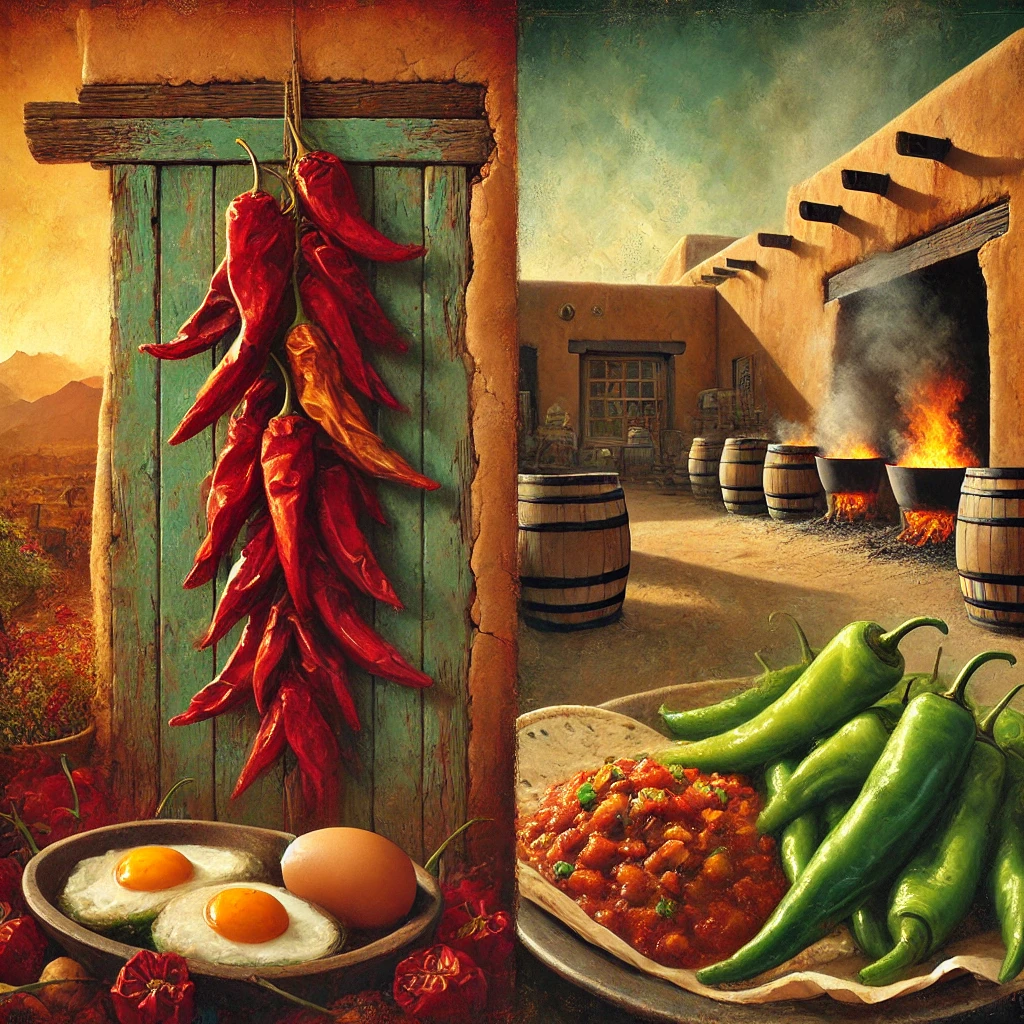
Green chile poem by jimmy santiago baca | azpoetry. Com

“Green Chile” by Jimmy Santiago Baca


I prefer red chile over my eggs
and potatoes for breakfast.
Red chile ristras decorate my door,
dry on my roof, and hang from eaves.
They lend open-air vegetable stands
historical grandeur, and gently swing
with an air of festive welcome.
I can hear them talking in the wind,
haggard, yellowing, crisp, rasping
tongues of old men, licking the breeze.

            But our grandmother loves green chile.
When I visit her,
she holds the green chile pepper
in her wrinkled hands.
Ah, voluptuous, masculine,
an air of authority and youth simmers
from its swan-neck stem, tapering to a flowery
collar, fermenting resinous spice.
A well-dressed gentleman at the door
my grandmother takes sensuously in her hand,
rubbing its firm glossed sides,
caressing the oily rubbery serpent,
with mouth-watering fulfillment,
fondling its curves with gentle fingers.
Its bearing magnificent and taut
as flanks of a tiger in mid-leap,
she thrusts her blade into
and cuts it open, with lust
on her hot mouth, sweating over the stove,
bandanna round her forehead,
mysterious passion on her face
as she serves me green chile con carne
between soft warm leaves of corn tortillas,
with beans and rice–her sacrifice
to her little prince.
I slurp from my plate
with last bit of tortilla, my mouth burns
and I hiss and drink a tall glass of cold water.

All over New Mexico, sunburned men and women
drive rickety trucks stuffed with gunny-sacks
of green chile, from Belen, Veguita, Willard, Estancia,
San Antonio y Socorro, from fields
to roadside stands, you see them roasting green chile
in screen-sided homemade barrels, and for a dollar a bag,
we relive this old, beautiful ritual again and again.

About the Author

Jimmy Santiago Baca is a celebrated Chicano poet, memoirist, and activist who rose from a troubled childhood and years spent in prison to become one of America’s most profound literary voices. His works often explore themes of identity, oppression, and personal transformation. Baca’s poetry captures the raw power of survival and resilience, making his voice a crucial one in contemporary American literature. For more about his remarkable journey and work, read his full bio here.

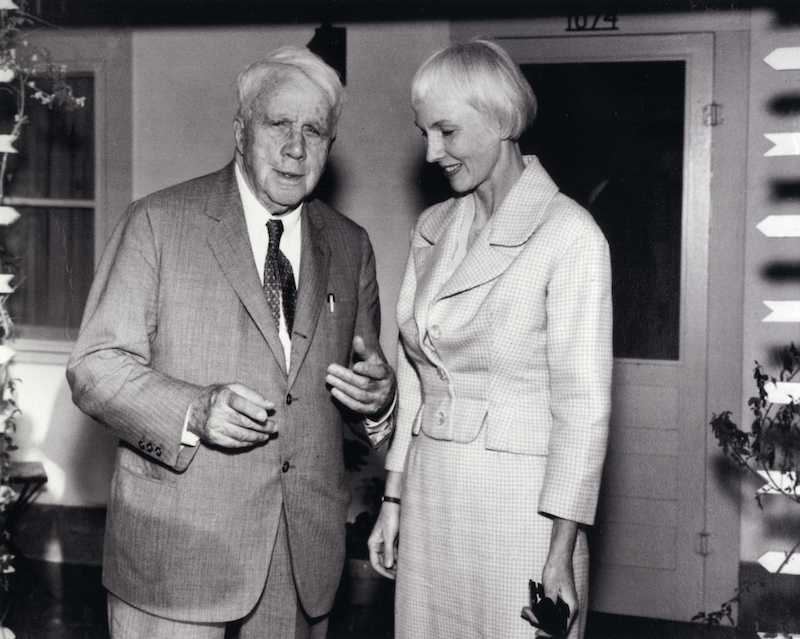
Ruth walgreen stephan and robert frost poets | azpoetry. Com

Ruth Walgreen Stephan 

Ruth Stephan: Poet, Philanthropist, and Founder of the University of Arizona Poetry Center

Ruth Stephan (1910–1974), the only daughter of Charles R. Walgreen, the founder of the Walgreens drugstore chain, was much more than the heiress to a business empire. She was a distinguished poet, novelist, publisher, record and film producer, and a passionate advocate for the arts. Stephan’s most enduring legacy within the literary world, particularly in Tucson, Arizona, is the founding of the University of Arizona Poetry Center in 1960, one of the most significant institutions dedicated to poetry in the United States.

Early Life and Literary Pursuits

Born into immense wealth, Stephan chose to dedicate her life to literature and the arts. Despite the expectations that often come with such a privileged background, she forged her own path, driven by a profound love of poetry and a desire to contribute to the cultural landscape. Stephan was not only an accomplished poet herself but also an enthusiastic supporter of other poets. Her work reflected her deep commitment to artistic expression, social issues, and the spiritual dimensions of life.

Her poetry was deeply personal and often explored themes of love, loss, and spiritual contemplation. In addition to her work as a poet, Stephan was a novelist and ventured into multimedia projects, producing records and films that centered around poetry and the arts.

Connection to Tucson and Ada McCormick

Stephan first came to Tucson, Arizona as a winter resident, escaping the harsh winters of her home in Connecticut. She often wrote in a cottage owned by her friend Ada McCormick, herself a key figure in Tucson’s cultural life. Eventually, Stephan bought McCormick’s cottage and an adjoining property. These buildings would later become the foundation of the University of Arizona Poetry Center, which Stephan established in 1960.

The center’s mission, from its inception, was to promote poetry as an art form, both for readers and writers. Stephan not only founded the center but also donated the buildings and provided the financial resources to ensure its sustainability. Her vision was to create a sanctuary for poetry where both emerging and established poets could thrive. Over the years, the UA Poetry Center has hosted numerous visiting poets and writers, including many luminaries of the literary world. Stephan’s legacy as a patron of poetry has thus continued to grow long after her passing.

The University of Arizona Poetry Center

The University of Arizona Poetry Center is one of Stephan’s crowning achievements. It remains an active, vibrant institution that supports the creation, teaching, and appreciation of poetry. The center houses one of the finest collections of contemporary poetry in the country, with over 80,000 volumes, including rare and unique works. Stephan’s dedication to the poetic arts has left an indelible mark on the Tucson poetry community and beyond.

The center has been instrumental in bringing poetry into the everyday lives of people in Arizona, hosting readings, workshops, and visiting writers. It continues to provide a space for poets to share their work with the public, fulfilling Stephan’s dream of fostering a deep connection between poets and their audiences.

Legacy

Ruth Stephan’s contributions to poetry and literature extend beyond her own writing. As a poet, she captured the human condition with precision and grace, but it was through her philanthropy and advocacy for the arts that she truly transformed the literary landscape. The UA Poetry Center stands as a testament to her vision and generosity, ensuring that generations of poets will have a space to share their work and that the Tucson community will continue to have access to the transformative power of poetry.

Though Stephan passed away in 1974, her influence is still felt today, not only in Tucson but in the broader world of American poetry. Her commitment to fostering a space where poetry could be celebrated and shared has made her a beloved figure in the literary community.


Further Reading and Sources:

The raven by edgar allan poe azpoetry. Com

The Raven by Edgar Allan Poe

“The Raven” by Edgar Allan Poe

Once upon a midnight dreary, while I pondered, weak and weary,
Over many a quaint and curious volume of forgotten lore,
While I nodded, nearly napping, suddenly there came a tapping,
As of some one gently rapping, rapping at my chamber door. “
“’Tis some visitor,” I muttered, “tapping at my chamber door—
Only this, and nothing more.”


Ah, distinctly I remember it was in the bleak December,
And each separate dying ember wrought its ghost upon the floor.
Eagerly I wished the morrow;—vainly I had sought to borrow
From my books surcease of sorrow—sorrow for the lost Lenore—
For the rare and radiant maiden whom the angels name Lenore—
Nameless here for evermore.


And the silken sad uncertain rustling of each purple curtain
Thrilled me—filled me with fantastic terrors never felt before;
So that now, to still the beating of my heart, I stood repeating, “
“’Tis some visitor entreating entrance at my chamber door—
Some late visitor entreating entrance at my chamber door;—
This it is, and nothing more.”


Presently my soul grew stronger; hesitating then no longer,
“Sir,” said I, “or Madam, truly your forgiveness I implore;
But the fact is I was napping, and so gently you came rapping,
And so faintly you came tapping, tapping at my chamber door,
That I scarce was sure I heard you”—here I opened wide the door;—
Darkness there, and nothing more.


Deep into that darkness peering, long I stood there wondering, fearing,
Doubting, dreaming dreams no mortals ever dared to dream before;
But the silence was unbroken, and the stillness gave no token,
And the only word there spoken was the whispered word, “Lenore!”
This I whispered, and an echo murmured back the word, “Lenore!”—
Merely this, and nothing more.


Back into the chamber turning, all my soul within me burning,
Soon again I heard a tapping somewhat louder than before.
“Surely,” said I, “surely that is something at my window lattice,
Let me see, then, what thereat is, and this mystery explore—
Let my heart be still a moment and this mystery explore;—
‘Tis the wind and nothing more.”


Open here I flung the shutter, when, with many a flirt and flutter,
In there stepped a stately raven of the saintly days of yore.
Not the least obeisance made he; not a minute stopped or stayed he;
But, with mien of lord or lady, perched above my chamber door—
Perched upon a bust of Pallas just above my chamber door—
Perched, and sat, and nothing more.


Then this ebony bird beguiling my sad fancy into smiling,
By the grave and stern decorum of the countenance it wore.
“Though thy crest be shorn and shaven, thou,” I said, “art sure no craven,
Ghastly grim and ancient raven wandering from the Nightly shore—
Tell me what thy lordly name is on the Night’s Plutonian shore!”
Quoth the Raven, “Nevermore.”


Much I marvelled this ungainly fowl to hear discourse so plainly,
Though its answer little meaning—little relevancy bore;
For we cannot help agreeing that no living human being
Ever yet was blest with seeing bird above his chamber door—
Bird or beast upon the sculptured bust above his chamber door,
With such name as “Nevermore.”


But the Raven, sitting lonely on the placid bust, spoke only
That one word, as if his soul in that one word he did outpour.
Nothing further then he uttered—not a feather then he fluttered—
Till I scarcely more than muttered, “other friends have flown before—
On the morrow he will leave me, as my hopes have flown before.”
Then the bird said, “Nevermore.”


Startled at the stillness broken by reply so aptly spoken,
“Doubtless,” said I, “what it utters is its only stock and store,
Caught from some unhappy master whom unmerciful Disaster
Followed fast and followed faster till his songs one burden bore—
Till the dirges of his Hope that melancholy burden bore,
Of ‘Never—nevermore’.”


But the Raven still beguiling my sad fancy into smiling,
Straight I wheeled a cushioned seat in front of bird and bust and door;
Then, upon the velvet sinking, I betook myself to linking
Fancy unto fancy, thinking what this ominous bird of yore—
What this grim, ungainly, ghastly, gaunt, and ominous bird of yore
Meant in croaking “Nevermore.”


This I sat engaged in guessing, but no syllable expressing
To the fowl whose fiery eyes now burned into my bosom’s core;
This and more I sat divining, with my head at ease reclining
On the cushion’s velvet lining that the lamplight gloated o’er,
But whose velvet violet lining with the lamplight gloating o’er,
She shall press, ah, nevermore!


Then, methought, the air grew denser, perfumed from an unseen censer
Swung by Seraphim whose footfalls tinkled on the tufted floor.
“Wretch,” I cried, “thy God hath lent thee—by these angels he hath sent thee
Respite—respite and nepenthe, from thy memories of Lenore;
Quaff, oh quaff this kind nepenthe and forget this lost Lenore!”
Quoth the Raven, “Nevermore.”


“Prophet!” said I, “thing of evil!—prophet still, if bird or devil!—
Whether Tempter sent, or whether tempest tossed thee here ashore,
Desolate yet all undaunted, on this desert land enchanted—
On this home by horror haunted—tell me truly, I implore—
Is there—is there balm in Gilead?—tell me—tell me, I implore!”
Quoth the Raven, “Nevermore.”


“Prophet!” said I, “thing of evil!—prophet still, if bird or devil!
By that Heaven that bends above us—by that God we both adore—
Tell this soul with sorrow laden if, within the distant Aidenn,
It shall clasp a sainted maiden whom the angels name Lenore—
Clasp a rare and radiant maiden whom the angels name Lenore.”
Quoth the Raven, “Nevermore.”


“Be that word our sign in parting, bird or fiend!” I shrieked, upstarting—
“Get thee back into the tempest and the Night’s Plutonian shore!
Leave no black plume as a token of that lie thy soul hath spoken!
Leave my loneliness unbroken!—quit the bust above my door!
Take thy beak from out my heart, and take thy form from off my door!”
Quoth the Raven, “Nevermore.”


And the Raven, never flitting, still is sitting, still is sitting
On the pallid bust of Pallas just above my chamber door;
And his eyes have all the seeming of a demon’s that is dreaming,
And the lamplight o’er him streaming throws his shadow on the floor;
And my soul from out that shadow that lies floating on the floor
Shall be lifted—nevermore!


Summary and Analysis of “The Raven” by Edgar Allan Poe

Explore Poe’s legacy of lyrical darkness and discover how his influence echoes through Arizona’s poetic voices.

A Summary of “The Raven”

First published in 1845, Edgar Allan Poe’s “The Raven” is one of the most iconic poems in American literature. It follows a grieving narrator who, late one stormy night, is visited by a mysterious raven. The man is mourning the death of his beloved Lenore, and the raven’s repeated response of “Nevermore” drives him into deeper despair as he interrogates the bird about his loss and the afterlife.

The poem opens with the narrator trying to distract himself from sorrow by reading, but he is startled by a tapping at his chamber door. It is the raven—a symbol of death or a supernatural messenger—that perches above the door and begins answering all questions with the haunting refrain “Nevermore.” As the questions become more desperate and philosophical, the raven’s answer remains unchanged, leaving the narrator tormented and consumed by grief.


A Masterclass in Form and Rhyme

Poe’s genius lies not only in his dark and atmospheric storytelling but in the poem’s meticulous structure. “The Raven” is composed in trochaic octameter, a rare metrical form that gives the poem a hypnotic and musical rhythm. Each stanza is six lines long, using internal rhyme, alliteration, and repetition to create a relentless, almost chant-like effect. This technique—blending formal rigor with lyrical emotion—has inspired countless poets, from 19th-century Romanticists to modern cowboy poets who strive to weave tight rhyme schemes into their own Western ballads.


Psychological Depth and Symbolism

“The Raven” is more than a ghost story—it is a meditation on grief, madness, and the human need for closure. The raven’s repetition of “Nevermore” becomes a symbol of the narrator’s inability to escape his sorrow or find answers. The bird represents memory, death, fate, and perhaps even the narrator’s own subconscious. Poe’s choice to never fully explain the raven’s origin or purpose adds to the poem’s mystery and enduring power.


Poe’s Influence on Arizona Poets

While Edgar Allan Poe never set foot in Arizona, his influence is deeply embedded in the state’s literary fabric. Arizona-based cowboy poets have adopted his use of intricate rhyme schemes to elevate their storytelling. Performance poets like The Klute echo Poe’s macabre themes and dramatic visual aesthetics—often appearing as if Frankenstein’s monster and Edgar Allan Poe had a lovechild. Poe’s legacy was also honored in events such as Bob Nelson’s The Poe Show (the longest running annual Poe-themed show west of the Mississippi) and the short-lived phenomenon Poechella, hosted by Lawn Gnome Publishing in downtown Phoenix, which celebrated gothic poetry, storytelling, morbid paintings, candles and performance art.

From the quiet Sonoran Desert nights to candlelit poetry slams in downtown Tempe, Poe’s raven still casts its shadow. Arizona poets—whether performing in cowboy boots or combat boots—have found ways to channel his lyrical dread, his gothic beauty, and his unforgettable musicality.


Discover More Classic and Contemporary Poetry

Edgar Allan Poe’s “The Raven” continues to captivate and inspire readers with its blend of gothic imagery, masterful rhyme, and psychological intensity. Explore more classic poetry and discover the Arizona poets who carry forward Poe’s legacy on our Classic Poetry page.

Looking for more darkly compelling voices? Start with The Klute’s poet bio, or browse events like The Poe Show and Poechella in our Events Archive.

Outside poem by thomas cooper | video game poem art | azpoetry. Com

“Outside” by Thomas Cooper

Welcome to Outside.
Press START to begin.
Good luck!

You zone into Des Plaines, Illinois; early 2000s.
The poplars rise from green plots in front of boxy houses.
You watch the other preteens skate down Westview Drive
and think how easy it would be to be them.

You make Mom buy you a board.
You bleach your hair, but it comes out orange, so you lie.
“Yes, I like it like this!” you yell when other kids ask you about it.

Then you hear a soft voice whisper, “Roll a Bluff check.”

Shift to black.
A twenty-sided die bounces through the blankness of your imagination
and lands facing 1.

NATURAL ONE. Automatic failure.
No one believes you meant to make your hair orange.
A bully makes fun of you.
You spend the next week listening exclusively to Fallout Boy.

Are you struggling?
Would you like to see a help menu?
Maybe hit up a tutorial?
Too bad, Friend: there is no tutorial,
there is no help, and you can’t start over.

Press START to continue. Good luck!

You zone into Phoenix, Arizona; 2000-teens.
You tell your girlfriend you love her.
She says she wants to see other people.

FLAWLESS VICTORY!
THE CAMERA FREEZES TO CAPTURE YOUR HEART
SHATTERING INTO A THOUSAND PIECES,
BLASTING LIKE SHRAPNEL THROUGH YOUR CHEST CAVITY!
FATALITY!

Stop crying! Is this game too hard?
Maybe you want to pick a different character?
No such luck! In Outside, you’re stuck
being the same til the game is over.

Sometimes it feels like God made real life too much like Dark Souls.
Sometimes it feels like I have to kill myself over and over
just to get by these obstacles, just to get by,
that I have to memorize the ways
this world’s trying to murder me just to survive.

Why this learning curve?
Why is Outside so hard?
Think about it long enough,
you start to realize it’s to keep our generation
from getting to the end game.

And who made it this way?
Was it the moderators?
Maybe the game designers?
No, Newbie: the Baby Boomers did it.

See, they bought Outside before we ever could,
been playing it since we were babies.
It was a board game for them, like Monopoly.
Now, it’s virtual reality,
fully immersive, but we’re still rolling dice.

Wake up and grind only to die to a Random Number Generator.

Why do I roll so low?
How can my d20 come up close to zero so many times?

I know! These Baby Boomers bought and burned all the strategy guides;
they’ve been bogarting the Game Sharks,
keeping secret the cheat codes.

But they can’t hide forever.
Our generation are hackers.
We will see the glitches and exploit them. We will climb up walls and save our allies
using unlocked weapons, infinite ammo, God Mode.

The Baby Boomers will be too arthritic
to use the controls; they can’t defeat us.
We will frag them, send them back to the starting zone,
and claim this world for ourselves.

Welcome to Outside 2.0.
Player 2 has joined the game. Good luck!

About The Author

Thomas Cooper is an Arizona poet from Chicago, Illinois who lived and worked as a teacher in Arizona. Learn more about him and more poets of Arizona HERE.

Natalie diaz | azpoetry. Com

Natalie Diaz

Natalie Diaz: Poet, Language Advocate, and Cultural Ambassador

Natalie Diaz, born on September 4, 1978, in the Fort Mojave Indian Village in Needles, California, is a celebrated Mojave-American poet whose work delves into identity, language, love, and the complex intersections of Indigenous culture and contemporary American life. An enrolled member of the Gila River Indian Community, Diaz’s poetry masterfully combines personal narrative with larger cultural and political themes, earning her a place among the most influential poets of her generation.

Early Life and Athletic Pursuits

Growing up in the Mojave Valley on the Arizona-California border, Diaz was raised in a close-knit community where storytelling, tradition, and language played a vital role. She attended Old Dominion University (ODU) on a full athletic scholarship, where she excelled as a basketball player. A standout athlete, Diaz went on to play professional basketball in Europe and Asia, a career that took her far from her desert roots but ultimately brought her back to the Mojave.

After retiring from basketball, Diaz returned to Old Dominion University, where she earned her Master of Fine Arts (MFA) in Creative Writing. This marked a pivotal shift in her life, transitioning from professional athlete to poet and cultural advocate.

Poetry Collections and Critical Acclaim

Diaz’s debut poetry collection, When My Brother Was an Aztec (Copper Canyon Press, 2012), explores deeply personal and familial experiences against the backdrop of larger societal issues. The collection, marked by its raw emotional power, addresses topics such as addiction, the complexities of Indigenous identity, and the tensions between personal and collective memory. The book was widely praised, with The New York Times calling it an “ambitious and beautiful book.” Diaz’s voice was immediately recognized for its boldness, sensitivity, and the way it bridges historical pain with contemporary realities.

Her second collection, Postcolonial Love Poem (Graywolf Press, 2020), won the prestigious Pulitzer Prize for Poetry in 2021. The collection is a meditation on desire, intimacy, and the ways in which love intersects with identity, colonization, and violence. Through these poems, Diaz moves seamlessly between the personal and the political, blending sensuality with the scars of colonialism. In the titular poem, she writes of love not just as an intimate act but as a defiant, decolonizing force. Postcolonial Love Poem has been described as a work of healing, both for the author and her readers, tackling the complex relationship between body, land, and language.

Language Revitalization and Cultural Work

Beyond her poetry, Diaz has dedicated much of her life to the preservation of the Mojave language. She returned to the Mojave Valley to work with the last fluent speakers of Mojave, directing a language revitalization program to ensure that the culture, language, and stories of her people endure. Diaz sees language as a vital link between identity and place, and much of her poetry is influenced by her work in this area. In an interview with PBS, Diaz described writing as a way of exploring “hunger”—a hunger for understanding, belonging, and healing, particularly in relation to her experiences as an Indigenous woman raised in the Mojave Desert.

This commitment to language preservation, alongside her literary achievements, positions Diaz not only as a poet but also as a crucial advocate for cultural continuity and Indigenous representation. Her work emphasizes the importance of language as a tool of empowerment and survival for Indigenous communities.

Themes and Style

Diaz’s poetry is known for its lyrical intensity and deep emotional resonance. Her work often weaves together elements of nature, history, and personal narrative, creating a unique poetic landscape that is both intimate and vast. She explores themes of love, loss, colonization, and survival, while also addressing contemporary issues like climate change, the commodification of Indigenous culture, and systemic racism. Her poetry transcends boundaries, blending the personal with the political, the ancient with the modern.

Diaz also draws inspiration from the desert landscape of her childhood. The arid beauty of the Mojave Desert permeates her work, becoming a symbol of both survival and desolation. This connection to land is deeply tied to her identity as Mojave, where the land is not just a backdrop but a living entity intertwined with language, culture, and memory.

Her writing is also marked by a profound engagement with sensuality and the body. In Postcolonial Love Poem, Diaz uses the body as a site of both pleasure and pain, a battleground for the legacies of colonization but also a place of resistance, joy, and love. She writes with a visceral, almost tactile quality that brings her experiences—and those of her community—into sharp, vivid focus.

Honors and Recognition

In addition to winning the Pulitzer Prize for Postcolonial Love Poem, Natalie Diaz has received numerous awards and fellowships, including the Nimrod/Hardman Pablo Neruda Prize for Poetry, a Lannan Literary Fellowship, the Narrative Poetry Prize, and the Louis Untermeyer Scholarship in Poetry from the prestigious Bread Loaf Writers’ Conference. She is also the recipient of a MacArthur Fellowship, often referred to as the “Genius Grant,” which recognizes her extraordinary contributions to literature and language preservation.

Diaz has also served as a professor and mentor, sharing her expertise and passion for language with students at institutions like Arizona State University. Her commitment to education, both in the classroom and within her community, underscores her belief in the transformative power of language and storytelling.

Legacy and Ongoing Influence

Natalie Diaz’s poetry is a powerful testament to the resilience of Indigenous cultures and the transformative potential of love, language, and art. Her work has opened doors for a new generation of Native American writers and has given voice to the complexities of modern Indigenous identity. Through her writing, teaching, and activism, Diaz continues to push the boundaries of contemporary poetry, ensuring that the voices of marginalized communities are heard and respected.

Living in Mohave Valley, Arizona, Diaz remains deeply connected to her roots while also engaging with a broader literary and cultural landscape. Her poetry, grounded in the Mojave Desert but reaching far beyond, continues to challenge, inspire, and move readers across the globe.


References:

Discover more poets of Arizona HERE.

Anna flores | azpoetry. Com

Anna Flores

Anna Flores: Arizona-Born Poet and Cultural Storyteller

Anna Flores is an emerging voice in contemporary American poetry, with deep ties to the cultural landscapes of the U.S.-Mexico border. Born in Nogales, Arizona, Flores’s work is shaped by the complex intersection of her heritage, environment, and identity. She holds an MFA in Creative Writing from Arizona State University (ASU), where she has gained recognition for her distinctive voice that blends personal narratives with broader cultural commentary.

Literary Work and Style

Flores’s poetry often explores themes of identity, culture, and the lived experiences of Mexican-Americans and borderland communities. Her book of poems, Pocha Theory, is a striking exploration of these themes, delving into the experiences of being “pocha”—a term often used to describe Mexican-Americans perceived as disconnected from their Mexican roots. Flores addresses the nuances of language, belonging, and the tension between cultural traditions and modernity. Her voice is raw, lyrical, and evocative, making her work both deeply personal and universally resonant.

In addition to Pocha Theory, Flores is currently working on a manuscript titled Oracaniones, Praysongs, and Sigilos, a project that promises to blend elements of prayer, song, and spiritual incantation, underscoring the ways in which language and spirituality can be reclaimed by marginalized communities.

Recent Recognition and Awards

Anna Flores has been the recipient of numerous awards and honors that highlight her growing influence in the literary world. Her accolades include:

  • The 2021 Swarthout Award in Writing, one of Arizona State University’s most prestigious awards for creative writing.
  • A 2021 Creative Research Fellowship from the Center for Imagination in the Borderlands, a program dedicated to supporting the work of artists and writers who explore themes related to borderlands culture, history, and storytelling.
  • The 2020 Mabelle A. Lyon Poetry Award, further affirming her talent and contribution to contemporary poetry.

Her works have been featured in various literary publications, with one of her most recent poems appearing in the Red Tree Review, showcasing her ability to capture both the specificities of border culture and universal experiences of love, loss, and identity.

Cultural Advocacy and Community Engagement

Flores’s poetry not only reflects her individual experience but also speaks to the shared experiences of many Mexican-Americans, particularly those navigating the complexities of the borderlands. As a poet who writes about the intersections of language, culture, and spirituality, she brings attention to the issues of displacement, cultural hybridity, and the importance of community. Her work with the Center for Imagination in the Borderlands has allowed her to continue amplifying marginalized voices, advocating for the stories and perspectives of borderland communities.

Flores’s work stands as a testament to the power of poetry to reclaim narratives, challenge stereotypes, and build bridges between divided worlds. Through her creative research and literary exploration, she is shaping new ways of understanding identity, language, and belonging in contemporary America.

Future Projects

As she continues her journey as a writer and scholar, Flores remains dedicated to creating spaces for cultural dialogue and introspection. Her upcoming manuscript, Oracaniones, Praysongs, and Sigilos, promises to further explore the intersections of spirituality, cultural identity, and the power of language as a tool for both resistance and healing.

Anna Flores is undoubtedly a poet to watch, as her body of work continues to grow and influence a new generation of poets who navigate similar cultural landscapes and histories.


Further Reading:

  • Pocha Theory (Available through various literary outlets)
  • Red Tree Review for recent work by Anna Flores
  • Arizona State University and The Center for Imagination in the Borderlands for updates on her fellowships and ongoing projects.

Discover more poets of Arizona HERE.

Bojan louis | azpoetry. Com

Bojan Louis

Bojan Louis: Diné Poet, Author, and Educator

Bojan Louis, a Diné (Navajo) writer of the Naakai dine’é (Mexican clan) and born for the Áshííhí (Salt clan), is a multifaceted literary talent whose work spans poetry, fiction, nonfiction, and teaching. Louis has become a prominent figure in Native American literature, garnering national recognition for his honest, powerful exploration of identity, language, and the landscapes of both the Southwest and the Indigenous experience.

Literary Works

Bojan Louis’s body of work encompasses several genres, making him one of the most versatile voices in contemporary Native American literature. His published works include:

  1. Sinking Bell” (Graywolf Press, 2022) – A highly anticipated collection of short stories that dives deep into themes of grief, survival, and the search for meaning in contemporary life. With a distinctive style that merges introspective prose and stark realism, Sinking Bell showcases Louis’s talent for creating powerful narratives that resonate with the human condition.
  2. Currents” (BkMk Press, 2017) – Louis’s poetry collection, Currents, reflects his connection to the land, culture, and language of the Diné people. The poems explore the tension between tradition and modernity, particularly as experienced by Native communities in the American Southwest. His work in this collection is known for its vivid imagery, linguistic play, and ability to balance personal and collective memory.
  3. “Troubleshooting Silence in Arizona” (The Guillotine Series, 2012) – A chapbook of nonfiction that investigates silence and absence, both literally and figuratively, in the harsh yet beautiful landscape of Arizona. This work demonstrates Louis’s capability of capturing the environmental and social dynamics of the region, emphasizing his keen observational skills and deep cultural knowledge.

In addition to his books, Louis’s writing appears in several significant anthologies, including When the Light of the World Was Subdued, Our Songs Came Through: A Norton Anthology of Native Nations Poetry and The Diné Reader: An Anthology of Navajo Literature, positioning him as a vital contributor to the broader narrative of Native American writing.

Critical Acclaim and Honors

Bojan Louis has earned numerous accolades throughout his career, underscoring the impact of his work on contemporary literature:

  • 2018 American Book Award – Louis received this prestigious award for Currents, recognizing the collection’s contribution to expanding the discourse surrounding Native literature and its intersection with environmental, cultural, and political issues.
  • MacDowell Fellowship – This highly sought-after fellowship provided Louis with the opportunity to deepen his craft in a supportive and creative environment, allowing him to focus on his storytelling and expand the scope of his projects.
  • 2023 National Endowment for the Arts Literature Fellowship – This recent honor reflects Louis’s continued commitment to literary excellence and underscores the ongoing relevance of his voice in American letters.

Cultural and Educational Impact

Beyond his writing, Bojan Louis is also a dedicated educator and cultural advocate. He teaches at the Institute for American Indian Arts (IAIA) in Santa Fe, New Mexico, where he mentors the next generation of Native writers, encouraging them to explore their voices and perspectives within a broader literary framework.

In addition to his role at IAIA, Louis serves as an associate professor in both the Creative Writing MFA and American Indian Studies programs at the University of Arizona. His dual appointments reflect his commitment to fostering cross-disciplinary conversations about literature, Native American issues, and the creative process.

As a teacher, Louis prioritizes amplifying Native voices, emphasizing the importance of Indigenous stories in the contemporary literary canon. His work with students often focuses on how to navigate the complexities of identity and history, encouraging them to draw upon their lived experiences to create transformative art.

Literary Themes and Style

Bojan Louis’s work is deeply informed by his Diné heritage, the Southwestern landscape, and the intersections of language and cultural survival. His writing frequently explores the tension between modernity and tradition, environmental degradation, and the ongoing struggles faced by Native communities.

Louis’s poetic style is characterized by its rich imagery, fluid movement between the natural and human world, and his ability to blend lyricism with a sharp, often political edge. His narratives are raw and unflinching, examining the pain, trauma, and beauty embedded in both personal and collective histories.

He is known for integrating the Diné language into his writing, underscoring the importance of linguistic preservation and revitalization. This aspect of his work is particularly important in the context of his advocacy for Indigenous language survival, as he has actively worked with the last speakers of the Mojave language in an effort to keep these languages alive for future generations.

A Voice for the Present and Future

Bojan Louis’s writing is not only a reflection of the past but also a powerful voice for the present and future of Native American literature. By tackling themes of identity, displacement, environmental degradation, and the significance of language, he continues to challenge conventional narratives while offering new possibilities for what Indigenous literature can be.

As both a writer and educator, Louis’s influence reaches far beyond his own work. He remains a central figure in the literary world, shaping the conversations around Native writing, storytelling, and the broader role of literature in understanding and bridging cultural divides.


Further Reading:

  • Sinking Bell (Graywolf Press, 2022)
  • Currents (BkMk Press, 2017)
  • When the Light of the World Was Subdued, Our Songs Came Through: A Norton Anthology of Native Nations Poetry

For updates on Bojan Louis’s upcoming projects and teaching engagements, visit his faculty pages at the University of Arizona and Institute of American Indian Arts.

Discover more poets of Arizona HERE.