Yawn Arbuckle
Yawn Arbuckle

Yawn Arbuckle, an esteemed individual hailing from the enchanting landscapes of Arizona, has dedicated their entire life to the pursuit of poetic excellence. From the sun-drenched deserts to the majestic mountains, Yawn's deep connection with Arizona has shaped their artistic journey. Born and raised in the vibrant city of Phoenix, they found solace and inspiration in the breathtaking beauty of the state. Yawn's passion for poetry blossomed at a young age, as they immersed themselves in the rich literary heritage of Arizona. They delved into the works of renowned poets who found solace in the vastness of the desert and translated their experiences into mesmerizing verses. With an insatiable thirst for knowledge, Yawn embarked on an academic journey dedicated to the study of poetry. Attending the prestigious University of Arizona, Yawn honed their poetic craft under the guidance of esteemed professors and immersed themselves in the vibrant literary community of the state. They explored the depths of poetic expression, intertwining the unique essence of Arizona with their own introspective musings. Throughout their academic tenure, Yawn delved into the works of Arizona's literary giants, drawing inspiration from the evocative landscapes and diverse cultural tapestry. Their studies encompassed everything from the poignant verses of Alberto Ríos, capturing the spirit of the Southwest, to the transcendent imagery of poets who found solace in the vastness of the Grand Canyon. Yawn's dedication to their craft led them to participate in numerous poetry workshops and gatherings, where they shared their own creations and engaged in profound discussions with fellow poets. Their unwavering commitment to poetry culminated in the publication of a remarkable anthology that beautifully encapsulated the essence of Arizona's poetic soul. Now, as the esteemed admin of this website, Yawn Arbuckle continues to be a guiding light for poetry enthusiasts, fostering a community where words come alive and imaginations soar. With their vast knowledge and profound understanding of Arizona's poetic legacy, Yawn strives to inspire others to embrace the transformative power of language and embark on their own poetic odysseys. Through their tireless efforts, Yawn Arbuckle remains an unwavering advocate for the poetic arts, breathing life into the pages of this website and inviting poetry lovers from all walks of life to embark on a journey of self-expression and creative exploration.
Ada mccormick | azpoetry. Com

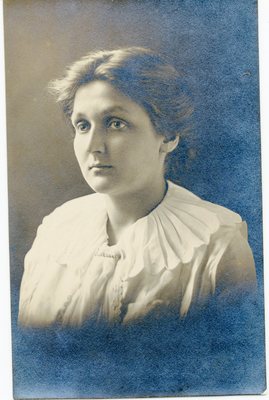
Ada McCormick

Ada McCormick: Writer, Activist, and Advocate for Social Justice

Ada Peirce McCormick (March 28, 1888 – August 4, 1974) was an influential writer, activist, and lecturer who made significant contributions to civil rights and social justice, particularly in Tucson, Arizona, where she spent much of her life. Born into a wealthy family in Bangor, Maine, McCormick was exposed to intellectual and social reform movements from a young age. She pursued studies in social work at both the Boston School of Social Work and Radcliffe College, laying the foundation for her lifelong advocacy for family, marriage, and social equity.

In 1915, McCormick married Fred C. McCormick and lived in Williamsport, Pennsylvania, where she rose to prominence as a writer and lecturer, focusing primarily on the dynamics of family and marriage. Her insights and advocacy for social issues gained her considerable recognition.

The McCormicks moved to Tucson, Arizona in 1931, where Ada Peirce McCormick became deeply involved in the local community. In 1937, she founded the Chapel of Wandering Scholars, later renamed the Little Chapel of All Nations, a non-denominational sanctuary dedicated to providing space for spiritual reflection and inclusive dialogue for all. This chapel became a hub for her advocacy work, particularly in the areas of civil rights and social justice.

In addition to her social activism, McCormick launched The Letter, a magazine in 1943 that discussed various societal issues, promoting progressive thinking and inclusivity. Her writings and lectures continuously emphasized the importance of equality, justice, and compassionate community building. Her work gained recognition, and she maintained close ties to the University of Arizona, where she continued to be an important community figure and advocate for marginalized groups.

Ada Peirce McCormick passed away in Tucson in 1974, but her legacy endures, particularly through her contributions to civil rights and social justice in Arizona. The Ada Peirce McCormick Papers, which include her personal correspondence and professional documents, serve as a testament to her enduring impact on the community. Her life’s work remains a source of inspiration for advocates of equity and inclusion today.

Discover more poets and poetry of Arizona HERE.

The giant cactus by harriet monroe | azpoetry. Com

“The Giant Cactus of Arizona” by Harriet Monroe

The cactus in the desert stands 
    Like time’s inviolate sentinel, 
Watching the sun-washed waste of sands
     Lest they their ancient secrets tell. 
And the lost lore of mournful lands
     It knows alone and guards too well. 

Wiser than Sphynx or pyramid, 
     It points a stark hand at the sky, 
And all the stars alight or hid 
     It counts as they go rolling by;
And mysteries the gods forbid
     Darken its heavy memory. 

I asked how old the world was—yea,
     And why yon ruddy mountain grew
Out of hell’s fire. By night nor day 
     It answered not, though all it knew, 
But lifted, as it stopped my way, 
     Its wrinkled fingers toward the blue 

Inscrutable and stern and still 
     It waits the everlasting doom. 
Races and years may do their will—
     Lo, it will rise above their tomb, 
Till the drugged earth has drunk her fill
     Of light, and falls asleep in gloom. 

About the Author

Harriet Monroe was the publisher of Poetry and frequent letter writer to many influential poetry lovers in the state of Arizona.

Harriet monroe azpoetry. Com

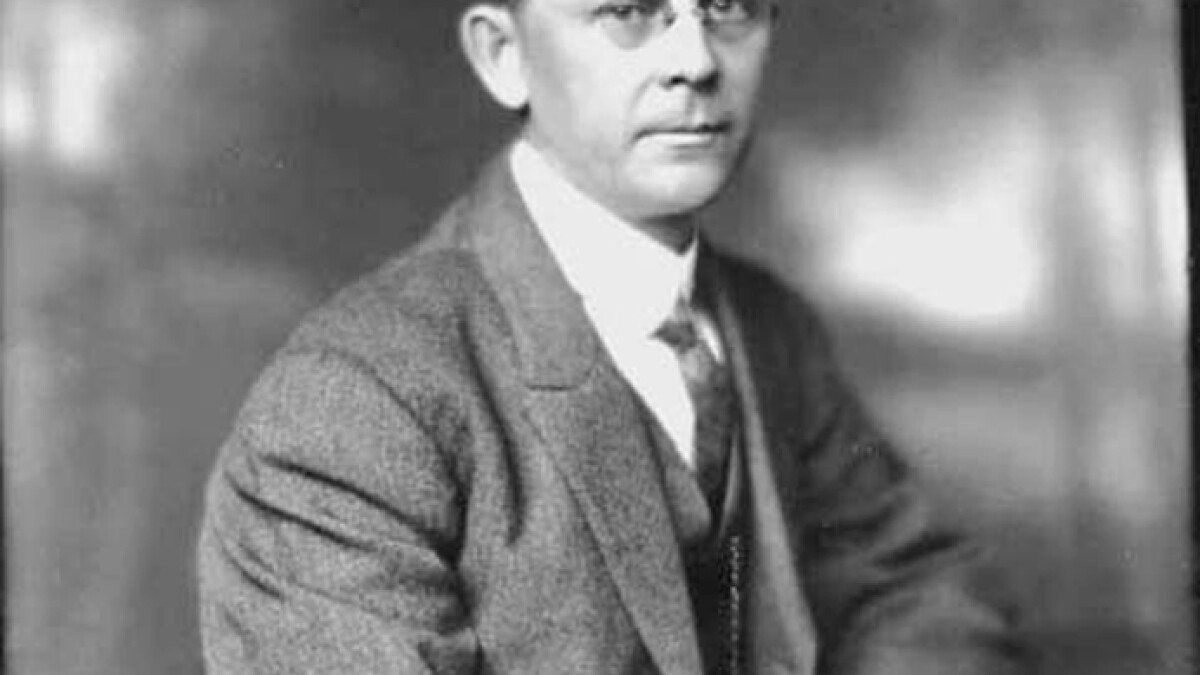
Harriet Monroe

Harriet Monroe: Pioneer of Modern American Poetry

Harriet Monroe, born on December 23, 1860, in Chicago, Illinois, was a poet, critic, and editor who played a pivotal role in shaping modern American poetry. She is best known as the founding publisher and editor of *Poetry* magazine, a landmark publication that provided a platform for many of the 20th century’s most influential poets. Monroe’s dedication to the arts and her innovative vision left an indelible mark on the literary world.

Early Life and Education

Harriet Monroe grew up in a prosperous Chicago family, which afforded her the opportunity to receive a well-rounded education and develop a passion for literature and the arts. She attended the Academy of the Sacred Heart in Chicago and later traveled extensively, gaining exposure to various cultural and literary traditions that would influence her work.

Literary Career and Major Works

Monroe’s literary career began with her poetry, which often reflected her keen observations of nature, human emotions, and the passage of time. Her early collections include “Valeria and Other Poems” (A. C. McClurg & Company, 1892), a work that established her as a promising poet. This was followed by “Dance of the Seasons” (Ralph Fletcher Seymour Co., 1911), which showcased her lyrical style and thematic versatility. Her collection “You and I” (The Macmillan Company, 1914) further demonstrated her growth as a poet and her ability to capture the complexities of personal relationships and existential musings. Monroe’s poetry, characterized by its clarity, musicality, and emotional depth, resonated with readers and critics alike.

Founding of Poetry Magazine

Harriet Monroe’s most significant contribution to literature was the founding of Poetry magazine in 1912. Frustrated by the lack of opportunities for poets to publish their work, Monroe envisioned a publication dedicated solely to poetry. She famously stated that her goal was to provide a “safe place for the poetry of the new movement.” With financial support from donors and her own determined efforts, she launched the magazine from Chicago. Poetry magazine quickly gained a reputation for its eclectic and avant-garde selections, featuring works by both established and emerging poets. Under Monroe’s editorship, the magazine published early works by iconic poets such as T.S. Eliot, Ezra Pound, Robert Frost, Marianne Moore, and Carl Sandburg. Monroe’s willingness to embrace diverse styles and voices helped shape the course of modern poetry.

Contributions as a Critic and Editor

In addition to her role as a poet and publisher, Harriet Monroe was an influential critic. She used her platform to champion new poetic forms and to critique the literary establishment, advocating for the artistic freedom and innovation that defined the modernist movement. Her editorial vision for Poetry magazine emphasized accessibility and the importance of poetry in everyday life, contributing to the magazine’s lasting impact.

Legacy and Death

Harriet Monroe’s legacy is inseparable from the success and enduring influence of Poetry magazine. Her vision and dedication provided a crucial platform for poets during a transformative period in literary history. Monroe’s own works, alongside her editorial achievements, continue to be celebrated for their contributions to American poetry. Monroe passed away on September 26, 1936, while traveling in Peru. Her death marked the end of an era, but her influence on the literary world persists. Poetry magazine remains one of the most respected and enduring publications in the field, a testament to Monroe’s pioneering spirit and unwavering commitment to the art of poetry. For more information about Harriet Monroe and her work, visit Poetry Foundation.

Arizona by james william foley

“Arizona” by James William Foley

Arizona

Here’s to the land of the rock and the cactus,
The sun and the sand and the sky,
Where the weather is hot and the tourists are flocking,
And the cowboys are riding high.
Here’s to the land where the copper is gleaming,
The land of the orange and vine,
Here’s to the land of the mountain and mesa,
Where hearts are as warm as the clime.

About the Author

James William Foley (1874–1939) was an American poet known for his work that often reflected the landscapes and life in the American West.

Tap to read more poetry inspired by Arizona.

Lauren perry azpoetry. Com

Lauren Perry

Lauren Perry: The Zombie in the World of Slam Poetry

Lauren Perry, originally from Elgin, Illinois, has carved a unique niche in the world of slam poetry with her dynamic performances and eclectic influences. Now based in Phoenix, Arizona, Perry has become a prominent figure in both local and national poetry scenes, drawing inspiration from the Golden Age of Hollywood, vintage pin-up models, and classic horror to enrich her poetic expression.

Early Life and Move to Phoenix

Lauren Perry’s journey into the world of poetry began in her hometown of Elgin, Illinois. Her passion for literature and performance led her to explore slam poetry, a vibrant and competitive art form that combines the elements of poetry and performance. Seeking new opportunities and a supportive artistic community, Perry relocated to Phoenix, Arizona, where she found a thriving poetry scene that welcomed her talent and enthusiasm.

National Poetry Slam Competitions

Perry’s skills quickly garnered attention, leading to her participation in the Mesa National Poetry Slam Team. She competed on the team in 2006, 2009, and 2010, showcasing her ability to captivate audiences with her emotive delivery and sharp wit. Her performances were marked by a unique blend of personal storytelling, social commentary, and poignant observations, making her a standout competitor on the national stage.

Women of the World Poetry Slam

In addition to her success in team competitions, Lauren Perry also excelled in individual events. She represented Phoenix at the Women of the World Poetry Slam in 2009 and Mesa in 2010. These appearances highlighted her versatility and depth as a poet, allowing her to connect with audiences on a more intimate level. Her performances at these prestigious events demonstrated her commitment to using poetry as a means of expressing complex emotions and challenging societal norms.

Influences and Artistic Style

Lauren Perry’s poetry is characterized by its raw honesty and emotional intensity, with a distinctive flair drawn from her diverse influences. She is deeply inspired by the glamour and drama of the Golden Age of Hollywood, the bold and confident imagery of vintage pin-up models, and the eerie allure of classic horror. These elements infuse her work with a unique aesthetic that sets her apart from her contemporaries.

Her poems often reflect her love for the dramatic and the nostalgic, weaving in elements of old Hollywood’s elegance, the rebellious spirit of pin-up culture, and the chilling thrills of horror classics. This blend of influences allows Perry to create a rich tapestry of imagery and themes that resonate deeply with her audiences.

Contributions to the Poetry Community

Beyond her performances, Lauren Perry has been an active and influential member of the poetry community in Phoenix and beyond. She has participated in numerous local events, workshops, and readings, helping to foster a supportive and inclusive environment for emerging poets. Her dedication to the craft and her willingness to share her knowledge and experience have made her a respected mentor and advocate for the arts.

Legacy and Impact

Lauren Perry’s impact on the slam poetry community is significant, both as a performer and as a supporter of other artists. Her achievements in national and international competitions have brought attention to the vibrant poetry scene in Phoenix, highlighting the city as a hub for creative expression. Perry’s work continues to inspire and challenge audiences, encouraging them to explore their own voices and perspectives through the art of poetry.

Lauren Perry’s journey from Elgin, Illinois, to the national stages of slam poetry competitions is a testament to her talent, determination, and passion for the arts. Her powerful performances and commitment to the poetry community have made her a beloved and influential figure in contemporary poetry. As she continues to write and perform, Perry remains a shining example of the transformative power of poetry.

For more information about Lauren Perry and her work, visit AZpoetry.com.

James william foley az poetry. Com

James William Foley

James William Foley: The Poet of the American West

James William Foley (1874-1939) was an American poet, journalist, and influential figure in the political landscape of North Dakota. Known for his evocative depictions of the American West, Foley’s work captures the rugged beauty and pioneering spirit of Arizona and the broader Western frontier. His contributions to American literature have left an enduring legacy, particularly in the realm of regional poetry.

Early Life and Encounter with Theodore Roosevelt

James William Foley was born in 1874 in Saint Louis, Missouri, and later moved to the Dakota Territory, where his life took a pivotal turn. As a young man, Foley had the opportunity to meet Theodore Roosevelt in the badlands of Dakota Territory. Roosevelt, who was acquainted with Foley’s father, first encountered the young poet in Medora towards the end of his four-year sojourn in the Dakota badlands. This meeting with Roosevelt, who would later become the 26th President of the United States, was significant and emblematic of Foley’s deep connection to the American West.

Literary Career and Major Works

Foley’s literary career is distinguished by the publication of numerous poems that celebrate the Western landscape and its inhabitants. His ability to capture the essence of the frontier, blending elements of natural beauty with the grit and determination of the people who lived there, made his work resonate deeply with readers. His poems often reflected the challenges and triumphs of frontier life, painting a vivid picture of the American West.

One of Foley’s most notable poems is “Arizona”, which beautifully encapsulates the state’s majestic and rugged landscape. The poem celebrates the vibrant and diverse beauty of Arizona, from its scorching deserts to its towering mountains, and the resilience of its people.

Notable Works

Arizona

Here’s to the land of the rock and the cactus,
The sun and the sand and the sky,
Where the weather is hot and the tourists are flocking,
And the cowboys are riding high.
Here’s to the land where the copper is gleaming,
The land of the orange and vine,
Here’s to the land of the mountain and mesa,
Where hearts are as warm as the clime.

Foley’s poetry was widely published in various literary magazines and journals of his time, bringing the vivid imagery of the American West to a national audience. His work resonated with readers who were captivated by the romance and reality of frontier life, and his ability to convey these themes with authenticity and emotional depth solidified his reputation as a significant American poet.

Career in Journalism and Politics

In addition to his literary achievements, James William Foley had a notable career in journalism and politics. He worked as a journalist and served as a secretary to several political figures in North Dakota. His involvement in the political scene provided him with a unique perspective on the challenges and dynamics of frontier life, which he often incorporated into his poetry.

Foley’s dual roles as a poet and a political figure allowed him to influence both the cultural and political landscapes of his time. His journalism career provided him with a platform to advocate for the issues that mattered to the people of the West, further cementing his legacy as a voice of the region.

Themes and Style

James William Foley’s poetry is characterized by its lyrical quality, rich imagery, and deep connection to the natural world. His verses often explore themes of nature, pioneer life, and the passage of time, reflecting both the beauty and harshness of the Western landscape. Foley’s use of simple yet powerful language and his keen observations of the world around him create a sense of immediacy and intimacy in his work.

Influence and Legacy

Although James William Foley may not be as widely known as some of his contemporaries, his contributions to American poetry, particularly his depictions of the American West, have left a lasting impact. His work continues to be appreciated for its historical significance and its ability to capture the essence of a bygone era.

Foley’s influence extends beyond his poetry, as his celebration of the Western frontier has inspired subsequent generations of poets and writers. His work is often included in anthologies of American poetry, ensuring that his voice and vision remain part of the literary conversation.

Later Life and Recognition

In his later years, James William Foley continued to write and share his love for the American West through his poetry. He passed away in 1939, leaving behind a rich legacy of literary achievement. Foley’s work remains a testament to the enduring allure of the Western landscape and the indomitable spirit of its people.

Foley’s contributions to American literature have been recognized and celebrated in various literary circles, and his poems continue to be studied and appreciated for their lyrical beauty and historical significance. His ability to capture the essence of the American West in his poetry ensures that his work will continue to resonate with readers for generations to come.

Conclusion

James William Foley’s poetry offers a window into the rugged beauty and pioneering spirit of the American West. His evocative verse and vivid imagery bring to life the landscapes and people of Arizona and the broader frontier, capturing both the romance and reality of the region. Through his work, Foley has left an indelible mark on American literature, celebrating the natural world and the resilience of the human spirit.

For more information about James William Foley and his work, visit AZpoetry.com.

Deserted by john charles van dyke

“Deserted” by John Charles Van Dyke

Deserted

Deserted are the canyons,
And the mesas wide and bare,
The rivers run in silence,
Through the lands that none may share.
The peaks are wrapped in shadows,
And the winds that sweep the plain,
Bring no whisper of a footstep,
Nor the echo of a name.

About the Author

John Charles Van Dyke (1856–1932) was an American art historian and critic who also wrote poetically about the desert landscapes of the American Southwest.

Tap to read more poetry inspired by Arizona.

Richard shelton azpoetry. Com

Richard Shelton

Richard Shelton: A Legacy of Poetry, Prose, and Prison Reform

Richard Shelton (June 24, 1933 – November 29, 2022) was an acclaimed American writer, poet, and educator who left an indelible mark on the literary landscape and prison reform through his work. As an emeritus Regents Professor of English at the University of Arizona, Shelton’s contributions to poetry, creative nonfiction, and the lives of incarcerated writers have earned him a distinguished place in American literature.

Early Life and Education

Richard Shelton was born on June 24, 1933, in Boise, Idaho. His early life in the scenic landscapes of the American West deeply influenced his poetic sensibilities, fostering a profound appreciation for the natural world and its myriad expressions. This connection to nature and his keen observations of human experience would become hallmarks of his literary career.

Literary Achievements

Shelton’s literary career is marked by the publication of nine books of poetry, each showcasing his mastery of language and ability to capture the essence of the desert landscapes he so loved. His first collection, The Tattooed Desert, won the International Poetry Forum’s U.S. Award, establishing him as a significant voice in American poetry.

Shelton’s 1992 memoir, Going Back to Bisbee, is a poignant exploration of his experiences in the small Arizona town of Bisbee. The memoir was selected as a New York Times Notable Book and won the Western States Book Award for Creative Nonfiction. In 2007, it was chosen for the One Book Arizona program, further cementing its status as a seminal work in Southwestern literature.

His poetic and prose contributions have appeared in over two hundred magazines and journals, including prestigious publications such as The New Yorker, The Atlantic, The Paris Review, and The Antioch Review. Shelton’s work has been translated into multiple languages, including Spanish, French, Swedish, Polish, and Japanese, reflecting his international acclaim and the universal appeal of his writing.

In 2000, Shelton received a $100,000 grant from the Lannan Foundation to complete two books, a testament to his enduring influence and productivity as a writer.

Prison Writers’ Workshops

One of Richard Shelton’s most impactful legacies is his work with incarcerated writers. In 1974, he established a writer’s workshop at the Arizona State Prison, a pioneering effort that would transform countless lives through the power of creative expression. His workshops provided inmates with a platform to articulate their experiences and emotions, fostering a sense of purpose and self-worth through writing.

Shelton’s prison workshops have produced several notable writers, including Jimmy Santiago Baca and Ken Lamberton. Baca, who went on to become a celebrated poet and author, credits Shelton’s mentorship with helping him find his voice and purpose during his time in prison.

Shelton documented his experiences working with incarcerated writers in his book, Crossing the Yard: Thirty Years as a Prison Volunteer. The book offers a compelling account of his thirty-year journey as a volunteer, highlighting the transformative power of literature and the resilience of the human spirit. “Crossing the Yard” won the 2007 Southwest Books of the Year award, underscoring the importance and impact of his work in prison reform.

Teaching and Mentorship

As a professor at the University of Arizona, Shelton influenced generations of students through his teaching and mentorship. His dedication to nurturing young writers and fostering a love for literature extended beyond the classroom, leaving a lasting legacy in the literary community.

Awards and Honors

Throughout his illustrious career, Richard Shelton received numerous awards and honors in recognition of his contributions to literature and society. His accolades include the Western States Book Award, the Lannan Foundation Grant, and the Southwest Books of the Year award, among others.

Legacy and Impact

Richard Shelton passed away on November 29, 2022, at the age of 89, leaving behind a rich legacy of literary excellence and social impact. His work as a poet, memoirist, and advocate for incarcerated writers has had a profound and lasting influence, inspiring readers and writers alike to explore the depths of human experience and the transformative power of storytelling.

Shelton’s contributions to American literature and his tireless efforts to bring the written word to marginalized communities stand as a testament to his belief in the redemptive power of language. His life’s work continues to inspire and resonate, ensuring that his legacy endures for future generations.

For more information about Richard Shelton and his work, visit AZpoetry.com.

Roanna shebala azpoetry. Com

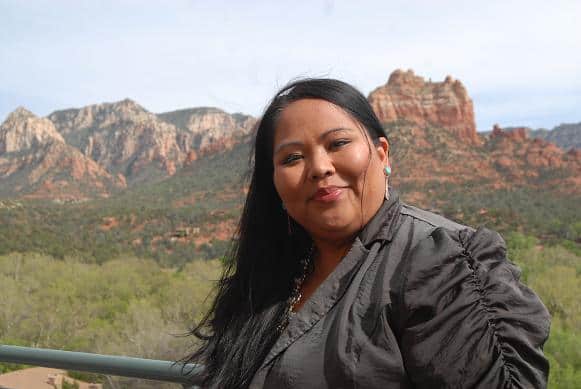
Roanna Shebala

Roanna Shebala: Illuminating the Voices of the Navajo and Zuni Tribes

Roanna “Rowie” Shebala is a distinguished Native American poet, spoken word artist, and storyteller of the Dine (Navajo Tribe) and Shiwi (Zuni Tribe). Born into the Tsenjikini clan and raised in Fort Defiance, Arizona, Shebala’s work reflects her rich cultural heritage and deep connection to the land and traditions of her people. With a background in theater and a passion for storytelling, Shebala has become a prominent figure in contemporary Native American literature and performance art.

Early Life and Cultural Heritage

Roanna Shebala’s heritage is a tapestry of Navajo and Zuni traditions. She belongs to the Tsenjikini clan (Cliff Dwellers People) and is born for the Deeshchii’nii clan (Start of the Red Streak People). Her maternal grandparents are from the Tótsohnii clan (Big Water People), and her paternal grandparents are from the Naasht’ezhi Dine’e’ clan (Zuni Clan). This rich lineage provided Shebala with a profound understanding of her cultural identity and a deep respect for her ancestors’ stories and traditions.

Growing up in Fort Defiance, Arizona, Shebala was immersed in the oral storytelling traditions of her community. She credits her father for gifting her with the art of storytelling, a skill that would become central to her work as a poet and performer.

Education and Artistic Development

Shebala’s formal education in the arts began at Northern Arizona University, where she earned a Bachelor of Science in Theater. Her studies provided a solid foundation in performance and dramatic arts, which she seamlessly integrated into her poetic work. She is currently pursuing an MFA in Creative Writing at the Institute of American Indian Arts in Santa Fe, New Mexico, further honing her craft and exploring new dimensions of storytelling and poetry.

Accomplishments and Performances

Roanna Shebala’s accomplishments as a spoken word artist are numerous and impressive. She has been featured on four National Poetry Slam teams and has represented her community five times at the Women of the World Poetry Slam. Additionally, she has been a two-time representative for the Individual World Poetry Slam. Her dynamic performances have captivated audiences nationwide, including prestigious venues such as the Lincoln Center for the Out of Doors Project.

Shebala’s work has been featured in prominent outlets such as Button Poetry and Indian Country Today. Her poetry has also appeared in various zines and magazines, including Annick Press, Red Ink, Wicked Banshee Press, and Suspect Press. These publications have helped to amplify her voice and share her stories with a broader audience.

Themes and Style

Roanna Shebala’s poetry and storytelling are characterized by their deep emotional resonance, vivid imagery, and a profound sense of place. Her work often explores themes of identity, cultural resilience, and the interconnectedness of people and the land. Shebala’s ability to blend traditional Navajo and Zuni storytelling techniques with contemporary poetic forms creates a unique and powerful voice that resonates with audiences of all backgrounds.

Her performances are immersive experiences that draw listeners into the rich tapestry of her cultural heritage. By combining story, poetry, and performance, Shebala creates a dynamic and engaging narrative that reflects both personal and collective experiences.

Read Shebala’s poem “Pocahontas” HERE.

Community Involvement and Advocacy

In addition to her artistic achievements, Roanna Shebala is a dedicated community advocate and member of Saad Bee Hozho: Dine Writers’ Collective. This collective aims to promote and preserve Navajo literature and storytelling, fostering a sense of cultural pride and continuity. Through her involvement with the collective, Shebala works to ensure that the voices of her community are heard and valued.

Shebala’s commitment to community extends to her participation in various cultural and educational events. She has performed and conducted workshops at numerous schools, festivals, and community gatherings, inspiring the next generation of Native American poets and storytellers.

Awards and Recognition

Roanna Shebala’s contributions to poetry and performance have been recognized with numerous awards and honors. Her work is celebrated for its originality, emotional depth, and cultural significance. Shebala’s ability to convey the complexities of her cultural heritage and personal experiences through her art has earned her a respected place in the literary and performance communities.

Roanna “Rowie” Shebala’s work as a poet, performer, and storyteller illuminates the rich cultural heritage of the Navajo and Zuni tribes. Her dynamic performances and powerful narratives offer a unique perspective on identity, resilience, and the human connection to the land. Through her poetry and storytelling, Shebala continues to inspire and empower her community while sharing the beauty and complexity of her cultural traditions with the world.

For more information about Roanna Shebala and her work, visit AZpoetry.com.

Sherwin bistui arizona poetry azpoetry. Com

Sherwin Bitsui

Sherwin Bitsui: A Poetic Voice from the Navajo Nation

Sherwin Bitsui is a distinguished poet whose work offers a powerful exploration of identity, landscape, and the interconnectedness of nature and culture. Born in 1974 in White Cone, Arizona, on the Navajo Reservation, Bitsui’s poetry is deeply rooted in his Navajo heritage and the stark, beautiful landscapes of the American Southwest. Through his evocative and often surreal imagery, Bitsui has established himself as a significant voice in contemporary Native American literature.

Early Life and Cultural Heritage

Sherwin Bitsui was raised in a traditional Navajo household, where he was immersed in the language, stories, and rituals of his people. His early experiences on the Navajo Reservation profoundly shaped his worldview and artistic sensibilities. The expansive desert, the rhythms of Navajo life, and the cultural teachings of his elders provided a rich foundation for his poetic imagination.

Education and Literary Beginnings

Bitsui pursued his higher education at the Institute of American Indian Arts in Santa Fe, New Mexico, where he studied creative writing and fine arts. His formal education, combined with his deep cultural heritage, equipped him with a unique perspective and a distinctive voice. He later attended the University of Arizona, further honing his craft and exploring the interplay between language, culture, and identity.

Major Works and Themes

Sherwin Bitsui’s poetry is characterized by its vivid imagery, fluid narrative style, and deep connection to the natural world. His work often blurs the boundaries between the physical and spiritual realms, reflecting the holistic worldview of his Navajo upbringing.

His first collection, Shapeshift” (2003), published by the University of Arizona Press, introduced readers to his distinctive style. The poems in “Shapeshift” are noted for their dreamlike quality and their exploration of transformation, both personal and cultural. Bitsui’s use of language is both precise and expansive, capturing the complexity of identity in a rapidly changing world.

Bitsui’s second collection, Flood Song (2009), solidified his reputation as a major contemporary poet. Published by Copper Canyon Press, “Flood Song” is a powerful meditation on displacement, memory, and the enduring connection to the land. The poems weave together elements of Navajo oral tradition, personal history, and environmental consciousness, creating a tapestry of voices that resonate with the reader.

In Dissolve (2018), also published by Copper Canyon Press, Bitsui continues to push the boundaries of poetic form and content. “Dissolve” delves into themes of fragmentation and continuity, exploring the impact of colonialism, environmental degradation, and cultural survival. The collection’s fragmented, almost hallucinatory style mirrors the fractured realities of contemporary Native American life, while also affirming resilience and the possibility of renewal.

Awards and Recognition

Sherwin Bitsui’s contributions to literature have been widely recognized and celebrated. He is the recipient of numerous awards and honors, including a prestigious Whiting Writers’ Award, an American Book Award, and a PEN Open Book Award. His work has also earned fellowships from the Native Arts & Cultures Foundation, the Lannan Foundation, and the Witter Bynner Foundation for Poetry.

Influence and Legacy

Bitsui’s poetry has had a profound impact on the literary landscape, particularly in the realm of Native American literature. His work challenges and expands the boundaries of contemporary poetry, offering readers a window into the rich, complex world of Navajo culture and the broader Indigenous experience. Bitsui’s ability to weave together personal and collective histories, to bridge the past and present, and to articulate a vision of the future grounded in cultural continuity makes his work both timeless and urgently relevant.

Teaching and Advocacy

In addition to his writing, Sherwin Bitsui is dedicated to nurturing the next generation of poets and writers. He has taught creative writing at various institutions, including Diné College, the Institute of American Indian Arts, and Brown University. Through his teaching and mentorship, Bitsui inspires young writers to explore their own voices and to draw upon their cultural heritage as a source of strength and creativity.

Sherwin Bitsui’s work stands as a testament to the power of poetry to illuminate the human experience, to bridge cultural divides, and to foster a deeper understanding of our connection to the natural world. His evocative imagery, lyrical language, and profound insights into identity and place make him one of the most compelling voices in contemporary literature. As a poet, teacher, and advocate, Bitsui continues to shape and enrich the literary landscape, offering readers a profound and transformative vision of the world.

For more information about Sherwin Bitsui and his work, visit AZpoetry.com.